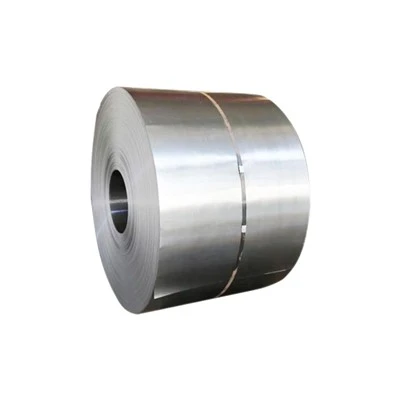
Stainless steel coils are a staple in numerous industries, from construction to manufacturing, due to their remarkable durability, corrosion resistance, and aesthetic appeal. As a leading stainless steel coil supplier, I've witnessed firsthand how the addition of small amounts of elements can significantly influence the properties of these coils. In this blog, we'll explore the intricate relationship between alloying elements and the performance of stainless steel coils.
The Basics of Stainless Steel
Stainless steel is primarily an iron-based alloy with a minimum of 10.5% chromium content. Chromium plays a crucial role in forming a passive oxide layer on the surface of the steel, which protects it from corrosion. However, the addition of other elements can further enhance its properties, making it suitable for a wide range of applications.
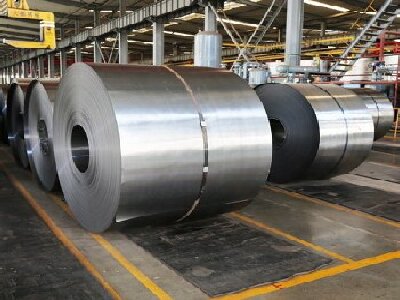

The Role of Alloying Elements
Chromium (Cr)
Chromium is the most fundamental alloying element in stainless steel. It forms a thin, adherent, and self-healing oxide layer on the surface of the steel, which provides excellent corrosion resistance. The higher the chromium content, the better the corrosion resistance. For example, in 304 Stainless Steel Coil, which contains approximately 18% chromium, the oxide layer effectively protects the steel from rust and other forms of corrosion in most environments.
Nickel (Ni)
Nickel is another important element in stainless steel. It enhances the ductility, toughness, and corrosion resistance of the steel, especially in acidic environments. In austenitic stainless steels, such as 304 Stainless Steel Coil, nickel helps to stabilize the austenitic structure, which provides excellent formability and weldability.
Molybdenum (Mo)
Molybdenum improves the pitting and crevice corrosion resistance of stainless steel, particularly in chloride-containing environments. It also enhances the strength and high-temperature performance of the steel. For instance, in some high-performance stainless steel coils, the addition of molybdenum can significantly improve their resistance to corrosion in harsh industrial settings.
Nitrogen (N)
Nitrogen is often added to stainless steel to improve its strength, corrosion resistance, and weldability. It can also enhance the austenitic structure of the steel, making it more stable and ductile. In some cases, nitrogen can be used as a partial replacement for nickel, reducing the cost of the alloy while maintaining its performance.
Carbon (C)
Carbon is a common element in steel, and its content can have a significant impact on the properties of stainless steel. Higher carbon content generally increases the strength and hardness of the steel but can also reduce its corrosion resistance. In some applications, such as high-strength stainless steel coils, a higher carbon content may be desirable, while in others, a lower carbon content is preferred to maintain corrosion resistance.
Impact on Mechanical Properties
Strength and Hardness
The addition of elements such as carbon, nitrogen, and molybdenum can increase the strength and hardness of stainless steel coils. For example, the addition of carbon can form carbides, which act as strengthening agents in the steel. Similarly, nitrogen can strengthen the steel by solid solution strengthening. These elements can also improve the wear resistance of the steel, making it suitable for applications where high strength and hardness are required.
Ductility and Toughness
Elements like nickel and nitrogen can enhance the ductility and toughness of stainless steel coils. Nickel helps to stabilize the austenitic structure, which provides excellent formability and ductility. Nitrogen can also improve the toughness of the steel by suppressing the formation of brittle phases. This makes the steel more resistant to cracking and deformation, especially under high-stress conditions.
Impact on Corrosion Resistance
General Corrosion
The addition of chromium, nickel, and molybdenum can significantly improve the general corrosion resistance of stainless steel coils. Chromium forms a passive oxide layer on the surface of the steel, which protects it from corrosion. Nickel enhances the stability of the oxide layer, while molybdenum improves the resistance to pitting and crevice corrosion. In A240 Stainless Steel Coil, the combination of these elements provides excellent corrosion resistance in a variety of environments.
Pitting and Crevice Corrosion
Pitting and crevice corrosion are common forms of corrosion in stainless steel. The addition of molybdenum and nitrogen can improve the resistance to these types of corrosion. Molybdenum forms a protective film on the surface of the steel, which prevents the initiation and propagation of pits. Nitrogen can also enhance the resistance to pitting by increasing the stability of the passive oxide layer.
Conclusion
The addition of small amounts of elements can have a profound impact on the properties of stainless steel coils. From enhancing corrosion resistance to improving mechanical properties and weldability, these elements play a crucial role in making stainless steel suitable for a wide range of applications. As a stainless steel coil supplier, we understand the importance of these elements and offer a variety of stainless steel coils with different compositions to meet the specific needs of our customers.
If you're interested in learning more about our stainless steel coils or have any questions about the impact of alloying elements on their properties, please don't hesitate to contact us. We're here to help you find the right stainless steel solution for your project.
References
- ASM Handbook, Volume 13A: Corrosion: Fundamentals, Testing, and Protection. ASM International.
- Stainless Steel: A Practical Guide. George E. Totten, David S. MacKenzie.
- The Making, Shaping and Treating of Steel. United States Steel Corporation.