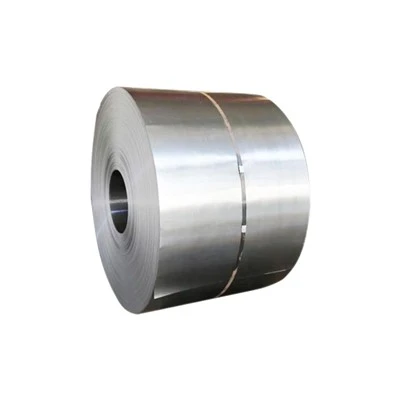
Hey there! As an Inconel coil supplier, I'm super stoked to share with you the different types of Inconel alloys used in Inconel coils. Inconel is a group of nickel - chromium - based superalloys known for their outstanding resistance to corrosion, oxidation, and high - temperature strength. These properties make Inconel coils extremely useful in a wide range of industries, from aerospace to chemical processing.
Let's start with Inconel 617. This alloy is a real workhorse. It's a nickel - chromium - cobalt - molybdenum alloy that can handle some seriously high temperatures. Inconel 617 has excellent creep and rupture strength, which means it can maintain its shape and integrity even when under stress at high temperatures for long periods. This makes it a top choice for applications in gas turbines, heat - treating equipment, and aerospace components. If you're interested in Inconel 617 Coil, you can check out more details here.


Inconel 617 has a high chromium content, which gives it great oxidation resistance. When exposed to high - temperature environments, a protective oxide layer forms on the surface of the alloy, preventing further oxidation and corrosion. The cobalt in the alloy also contributes to its high - temperature strength, while the molybdenum enhances its resistance to pitting and crevice corrosion.
Next up is Inconel 690. This alloy is well - known for its superior resistance to corrosion, especially in environments containing sulfuric acid, nitric acid, and other aggressive chemicals. Inconel 690 has a high nickel and chromium content, which gives it excellent resistance to both general corrosion and stress - corrosion cracking.
The high chromium content in Inconel 690 forms a stable oxide layer on the surface of the alloy, protecting it from corrosion. The nickel content helps to maintain the alloy's ductility and toughness, even in harsh environments. This makes Inconel 690 coils ideal for use in nuclear power plants, chemical processing plants, and the oil and gas industry. If you want to learn more about Inconel 690 Coil, click here.
In the nuclear power industry, Inconel 690 is used in steam generators. The alloy's resistance to corrosion and stress - corrosion cracking is crucial in this application, as any failure in the steam generator can have serious consequences. In the chemical processing industry, Inconel 690 coils are used in reactors, heat exchangers, and piping systems to handle corrosive chemicals.
Now, let's talk about Inconel 925. This is a nickel - iron - chromium alloy with additions of molybdenum and copper. Inconel 925 offers a combination of high strength, good corrosion resistance, and excellent weldability. It's often used in applications where high strength and corrosion resistance are required, such as in the oil and gas industry for downhole equipment.
The molybdenum and copper in Inconel 925 enhance its resistance to pitting and crevice corrosion, especially in chloride - containing environments. The alloy also has good resistance to sulfide stress cracking, which is a major concern in the oil and gas industry. Inconel 925 coils are used in oil well tubing, valves, and other components that are exposed to harsh downhole conditions. To find out more about Inconel 925 Coil, visit here.
In addition to these well - known alloys, there are other Inconel alloys that can be used in coils. For example, Inconel 718 is another popular choice. It's a precipitation - hardenable nickel - chromium alloy with excellent high - temperature strength and good corrosion resistance. Inconel 718 can be heat - treated to achieve high strength levels, making it suitable for aerospace applications, such as turbine blades and discs.
Inconel 718 has a complex microstructure that gives it its unique properties. The alloy contains elements like niobium, which forms a strengthening phase during heat treatment. This phase helps to improve the alloy's strength and creep resistance at high temperatures.
When it comes to choosing the right Inconel alloy for your coil, there are several factors to consider. First, you need to think about the operating temperature of your application. If you're working in a high - temperature environment, alloys like Inconel 617 or Inconel 718 might be the best choice. On the other hand, if corrosion resistance is your main concern, especially in a chemical - rich environment, Inconel 690 could be the way to go.
The mechanical properties of the alloy are also important. If you need a coil with high strength and good ductility, you'll want to choose an alloy that can meet those requirements. For example, Inconel 925 offers a good balance of strength and ductility, making it suitable for applications where the coil will be subjected to mechanical stresses.
Cost is another factor. Some Inconel alloys are more expensive than others due to the cost of the raw materials and the manufacturing processes involved. You'll need to balance your performance requirements with your budget to find the most cost - effective solution.
As an Inconel coil supplier, I can help you navigate these choices. We have a wide range of Inconel coils made from different alloys, and we can provide you with the technical support you need to select the right one for your application. Whether you're in the aerospace, chemical processing, or oil and gas industry, we've got you covered.
If you're interested in purchasing Inconel coils, I encourage you to get in touch with us. We can discuss your specific requirements, provide you with samples if needed, and give you a competitive quote. Our team of experts is always ready to answer your questions and help you make the best decision for your business.
In conclusion, Inconel coils made from different alloys offer a variety of properties that make them suitable for a wide range of applications. Whether it's high - temperature strength, corrosion resistance, or a combination of both, there's an Inconel alloy out there that can meet your needs. So, don't hesitate to reach out and start the conversation about your Inconel coil requirements.
References
- ASM Handbook Volume 2: Properties and Selection: Nonferrous Alloys and Special - Purpose Materials
- Metals Handbook Desk Edition, 3rd Edition