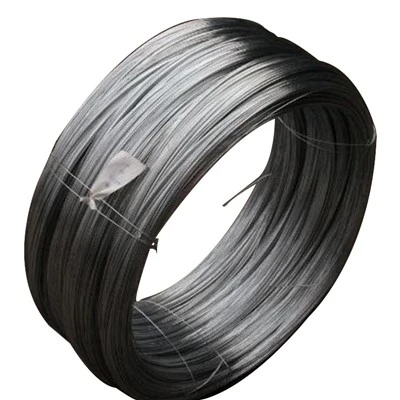
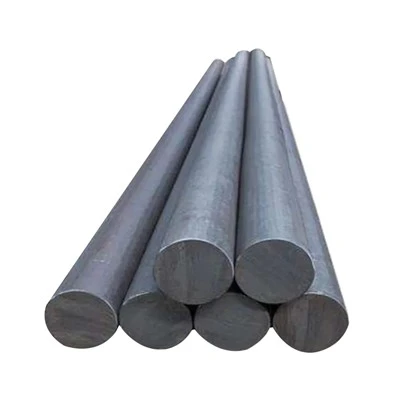
If you've ever stood in a machine shop watching a punch press hammer metal blanks into parts at blinding speed, or seen a die grind down a chunk of steel without even breaking a sweat, you've probably wondered: what's keeping those tools from cracking or wearing out mid-job? The answer almost always ties back to one key property of the steel they're made of: toughness. As a tool steel supplier who's talked to machinists, mold makers, and maintenance teams every day, I can tell you this isn't some abstract metallurgy term-it's the make-or-break factor that turns a cheap scrap of steel into a tool that lasts months, even years.
First, let's keep it real: toughness in tool steel isn't the same as the toughness you'd use to describe a tough couch or a tough cookie. In engineering terms, it's the material's ability to absorb energy before it fractures, right? More specifically, it's a mix of two other properties that people mix up all the time: strength and impact resistance. Think of it this way: a steel might be super strong (hard to bend or warp) but brittle, like a dried-up twig that snaps if you drop it. That's not tool steel-tool steel needs to bend just a little under pressure, absorb that shock, and not crack or chip when things go wrong (like a misfed part in a press or a sudden load spike in a mill).
To get why that matters, let's break down the tradeoffs. Tool steel has to be hard enough to cut or shape other metals, right? But the harder it is, the more prone it is to cracking-simple chemistry fact. For example, high-carbon steels get hard when you quench them (cool them super fast after heating), but that rapid cooling creates internal stress. Add a sudden impact, and that stress turns into a crack that spreads faster than you can hit the emergency stop button on a machine. Toughness is what balances that: it lets the steel handle that stress without shattering.
Now, not all tool steel is created equal when it comes to toughness. The grade you pick depends on what job it's doing, and I've seen too many teams reach for the wrong steel and end up with broken tools and wasted production time. Let's go over a few common, go-to grades I deal with every day, and how their toughness fits real-world use cases.
First up, high speed tool steels (HSS)-these are the workhorses for cutting tools, drill bits, and end mills that spin at thousands of RPM. If you need a steel that stays hard even when it's hot (from all that friction cutting metal), HSS is where it's at. Two of my most in-demand HSS grades are T1 High Speed Tool Steel and M35 High Speed Tool Steel. T1 is a classic "general purpose" HSS- it's got solid toughness, so it handles medium impacts without cracking, making it perfect for general machining of steel, aluminum, and even some hardened alloys. It's not the absolute toughest HSS out there, but it's reliable for 90% of the cutting jobs my customers throw at it. Then there's M35-this one's got extra cobalt added, so it keeps hardness even at higher temperatures, and its toughness is a step up from T1. That makes M35 ideal for tougher cutting tasks, like machining stainless steel or high-temp alloys, where the heat and shock are way higher. I've had customers switch from T1 to M35 for their end mills and cut tool breakage by almost 30%-that's not a small win when downtime costs you thousands an hour.
Next, we have cold work tool steels, which are used for dies, punches, and blanking tools that work at room temperature (no extra heat from cutting here). These steels are known for their wear resistance, but toughness varies a lot between grades. D2 Tool Steel Bar is the big name here-it's got tons of chromium, so it's crazy wear-resistant, which means it can stamp thousands of parts without wearing down. But here's the catch: D2 is more brittle than some other grades. It needs careful heat treatment (slow, even cooling) to keep its toughness up, because if you rush the quench, it can crack mid-strike. I always tell customers using D2 for heavy blanking punches to make sure their heat treater doesn't skip the tempering step-tempering reheats the steel after quenching to take out internal stress, which boosts toughness without losing too much hardness. Then there's A2 Tool Steel Bar, which is a middle ground between D2 and something milder. A2 has less chromium than D2, so it's not quite as wear-resistant, but its toughness is way better. That makes it perfect for jobs where you get some impact and wear, like forming dies for thicker sheet metal. I had a customer who was using D2 for a forming die that kept cracking because of uneven part thickness-switched to A2, and the die lasted 2x longer with zero cracks. No joke.
Then we have hot work tool steels, which handle the opposite problem: extreme heat from working with molten metal or hot forging. The most popular here is H13 Tool Steel Plate-it's the go-to for forging dies, extrusion tools, and mold inserts for plastic injection molding. H13 is all about high-temperature toughness-when you're pressing a red-hot steel billet into a shape, the tool has to not only handle that massive impact but also resist softening from the heat. I've seen H13 dies last for tens of thousands of forging cycles, even when they're cooled with water between hits. The toughness here is a mix of its alloy content (chromium, molybdenum, vanadium) and proper heat treatment, but the key is that it doesn't get brittle when hot like other steels do. That's why H13 is the standard for any job where heat and impact go hand in hand.
Now, let's get into what actually gives tool steel its toughness, because it's not magic-it's chemistry and microstructure. If you take a polished piece of tool steel and look at it under a microscope, you'll see tiny grains of metal, plus hard particles called carbides (made of metal and carbon) scattered throughout. The size and shape of those grains, and how the carbides are arranged, make all the difference for toughness. Smaller grains mean more grain boundaries-those boundaries absorb energy, so if a crack starts, it has to bounce around instead of spreading straight through. That's why fine-grained steels are tougher than coarse-grained ones, all else equal. Carbides: if they're too big and sharp, they act like little notches that cracks can start from. But if they're small, round, and evenly spread, they boost wear resistance without killing toughness. Add in alloying elements like molybdenum, vanadium, or nickel, and you get steel that's not only hard but also has the right balance of strength and impact resistance to handle real-world stress.
I can't tell you how many times I've had a customer call me panicking because their tool broke, and when we dig into it, it's either they picked the wrong grade (too brittle for the job) or their heat treatment messed up the toughness. For example, I had a mold maker who was using a cheap HSS end mill for machining a hard aluminum alloy-they went with the cheapest grade they could find, which was low on alloy content, so it was hard but super brittle. The end mill snapped halfway through a big job, costing them a week of downtime. I swapped them to M35, explained its higher toughness, and now they haven't had a breakage in six months. That's the kind of problem toughness solves.
Another thing people don't talk about enough: toughness isn't just about the steel itself-it's about how you use the tool. A steel with great toughness can still break if you run it too fast, overload the machine, or don't lubricate it properly to reduce friction. Lubrication reduces the heat and stress on the tool, which cuts down on the chance of cracking. Also, proper tool design (like not making a punch too thin or sharp) goes a long way-even tough steel can't handle a poorly designed part.
So when you're picking tool steel for your next job, don't just look at hardness or cost. Ask yourself: what's the load? How much impact will the tool take? Is it going to be hot or cold? That's where toughness comes in. If you need a steel for heavy cutting at high temps, H13 or M35 are your guys. If you need cold work, D2 for high wear with careful heat treat, A2 for a balance of wear and impact. If you're not sure, hit me up. Whether you need a small bar for a prototype or a bulk plate for production, I can help you pick the right grade to get the toughness you need without overspending.
If you want to learn more about the grades we carry or talk through your specific tool needs, feel free to reach out and connect for a purchasing consultation.


References
- ASTM International. (2020). Standard Test Method for Plane-Strain Fracture Toughness of Metallic Materials (E399-20). West Conshohocken, PA: ASTM.
- Budinski, K. G. (2016). Engineering Materials: Properties and Selection (11th ed.). Pearson Education.
- Davis, J. R. (Ed.). (2000). Tool Steel. ASM International.
- Thelning, K. E. (1983). Steel and Its Heat Treatment (2nd ed.). Butterworth-Heinemann.
- Ashby, M. F., & Jones, D. R. H. (2012). Engineering Materials 1: An Introduction to Properties, Applications, and Design (4th ed.). Butterworth-Heinemann.