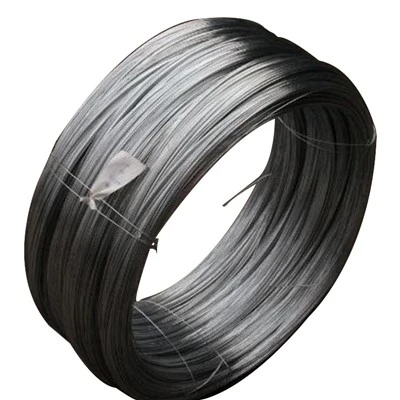
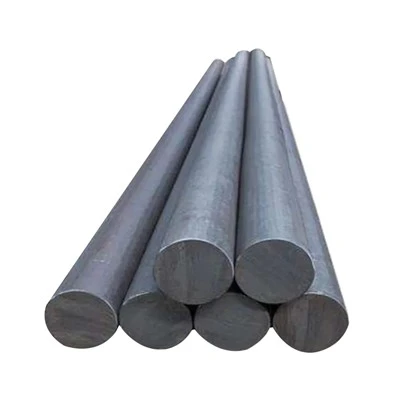
If you've ever walked past a commercial kitchen, a skyscraper's exterior, or a manufacturing plant's production line, you've probably crossed paths with stainless steel coils-even if you didn't notice them. As a stainless steel coil supplier, I get asked all the time: why do so many industries swear by these thin, flat metal rolls instead of cheaper alternatives like carbon steel or aluminum? The short answer is: they're tough, versatile, and cost-effective in the long run, even if the upfront price tag seems steeper. Let me break down the biggest advantages I've seen firsthand working with these materials for years, plus how our specific coil offerings fit into all this.
First off, corrosion resistance is the big one that separates stainless steel from just about every other metal out there. Unlike carbon steel, which rusts the second it's exposed to moisture or salt, stainless steel has this magic little layer called chromium oxide that forms as soon as it hits oxygen. It's like a self-healing shield-if you scratch it, the chromium in the nearby metal reacts with air to patch the spot back up. That's why you'll see stainless steel coils used for everything from outdoor handrails to food processing equipment, where rust would be a total disaster. I can't tell you how many customers have switched from carbon steel to our coils just because they kept replacing rusted parts every six months. For example, food and beverage manufacturers don't have to worry about their equipment leaching rust into ingredients, and marine applications hold up against saltwater way better than any non-stainless option. Want a look at the specific coil grades we use most for corrosion-heavy jobs? Our 304 Stainless Steel Coil is the go-to for general corrosion resistance, and if you need extra oomph for high-heat or highly acidic environments, our 321 Stainless Steel Coil and 347 Stainless Steel Coil are perfect picks-they have extra titanium and niobium to prevent corrosion when temperatures spike.
Next, durability and longevity. Stainless steel is strong, but it's also flexible enough to be rolled, cut, shaped, or formed without cracking or breaking-something aluminum or brittle metals can't do. This makes coils way easier to work with for manufacturing, right? But here's the win for your bottom line: a well-installed stainless steel coil part can last decades, not just a few years. I had a customer in the construction industry a while back who used our A240 Stainless Steel Coil for roofing and wall panels on a warehouse. He told me five years later, his panels still looked like new, while the nearby building with aluminum panels had pitting and needed repairs after two. That kind of lifespan means you're not shelling out money for replacements every couple of years. Also, it stands up to physical abuse way better-think dropping tools, heavy foot traffic, or harsh cleaning chemicals. For factories, that's huge because downtime for repairs costs way more than the initial cost of a quality coil.
Then there's versatility. Stainless steel coils aren't one-size-fits-all-we have so many grades and finishes to match every single use case. Some of our clients use them to make kitchen sinks, utensils, and oven parts because they're non-reactive with food (no weird metallic taste or leaching, which is critical for the food industry). Others use them for automotive parts, like exhaust systems or trim, because they can handle high temperatures and road grime. We also have No.1 finish coils, which are a mill-finish for industrial applications like tanks or machinery parts-check out our No.1 Stainless Steel Coil for that rough, durable finish. You can polish them to a shiny mirror finish for decorative architectural work, or keep them matte for utility parts. The ability to tailor the coil's composition and finish means there's a stainless steel coil for almost any industry you can name: energy, pharmaceuticals, aerospace, even agriculture.


Wait, let's talk about hygiene too, because that's a huge point for anyone in sensitive industries. Stainless steel is non-porous, so bacteria, mold, and other germs can't get stuck in tiny crevices or holes. That's why the FDA approves it for food and medical use-you can sanitize it over and over with chemicals, steam, or bleach, and it won't hold onto microbes. A lot of my medical supply customers use our coils to make surgical tools and equipment because they need to be sterile every single time, and stainless steel is the only metal that works for that without corroding or getting damaged from repeated sterilization. Carbon steel? It would rust and harbor bacteria. Aluminum? It's porous and can react with sanitizers. Stainless steel nails it here, no pun intended.
Another underrated advantage: sustainability. Yeah, I know, metal sounds like it's not eco-friendly, but stainless steel is 100% recyclable. When a customer's old stainless steel parts reach the end of their life, they don't end up in a landfill-they get melted down and turned into new coils. In fact, about 60% of all stainless steel made today is recycled from old products, which saves energy and raw materials compared to making new metal from scratch. For businesses that care about their carbon footprint, switching to stainless steel coils is a win because it's a circular material. Plus, because it lasts so long, you're not creating as much waste from constant replacements. I've had a few manufacturing clients brag to me about their sustainability goals, and switching to our stainless steel coils was one of the easiest ways to check a box there.
Wait, should I address the "it's more expensive upfront" thing? Because that's the main knock I hear. Yeah, stainless steel coils might cost a bit more than carbon steel or aluminum per pound, but when you add up the total cost over time, it's way cheaper. Like, if you pay $1000 for carbon steel coils that last 2 years, that's $500 a year. If you pay $1800 for stainless steel coils that last 10 years, that's $180 a year. Way better. Also, you don't have to spend money on maintenance, repairs, or replacements. For businesses that operate 24/7, downtime costs thousands of dollars per hour, so avoiding that by using durable coils is a no-brainer. I always tell new customers to do a total cost of ownership calculation, not just the upfront price. It changes everything.
Let me give a quick example of a recent project to make this real. A customer in the petrochemical industry came to me last year, needing coils for pipe linings that would handle high pressure and corrosive chemicals. They'd been using a cheaper alloy that was failing every 18 months, leading to shutdowns that cost them over $100k each time. We recommended our 321 Stainless Steel Coil, which is designed for high-temperature, corrosive environments. A year and a half later, they reached out to reorder and said the coils were still working perfectly, no shutdowns. That's the kind of ROI that makes stainless steel worth it.
At the end of the day, stainless steel coils solve so many problems that other metals can't. They last longer, resist corrosion, work for basically any industry, are easy to clean, and are even good for the planet. If you're thinking about switching your materials or need coils for a new project, don't guess-reach out to us to chat about what you need. We can help you pick the right grade, whether it's our standard 304 Stainless Steel Coil, the high-heat 321 or 347, the versatile A240, or the durable No.1 finish. No matter what you're making, we've got a stainless steel coil that'll save you time, money, and headaches down the line. Let's talk through your project today.
References
- Stainless Steel Industry Association. (2022). Corrosion Resistance of Stainless Steels: A Practical Guide. Retrieved from industry official publications on stainless steel material standards and application data.
- International Organization for Standardization (ISO). (2021). ISO 15510: Stainless steels - Chemical composition and form of semi-finished products, bars, rods, wire, sections and flat products.
- U.S. Food and Drug Administration (FDA). (2020). Materials in Food Contact Applications: Stainless Steel Safety and Performance Data.
- World Stainless Steel Forum. (2023). Sustainability Report: Recycling and Life Cycle Analysis of Stainless Steel.