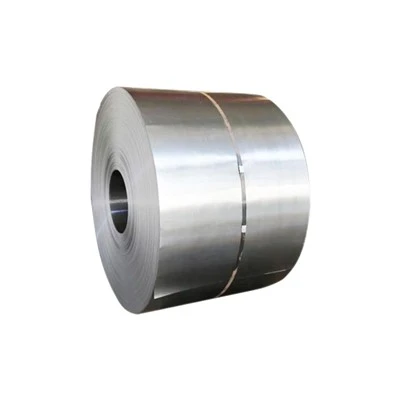
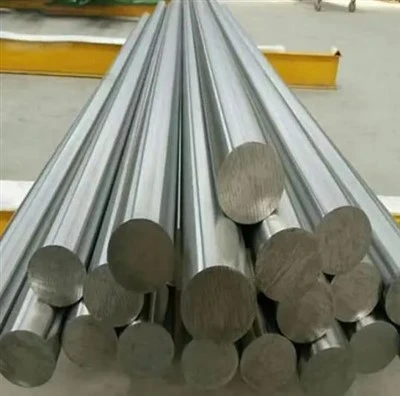
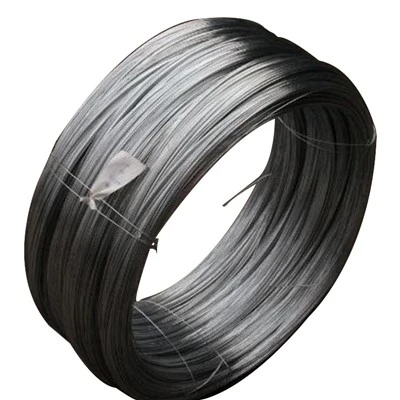
As a supplier of duplex steel wire, I've witnessed firsthand the growing demand for this remarkable material across various industries. One of the most critical aspects that customers often inquire about is the resistance of duplex steel wire to linolenate corrosion. In this blog post, I'll delve into the science behind this resistance, explore the factors that influence it, and highlight the benefits of using our high - quality duplex steel wires in environments prone to linolenate corrosion.
Understanding Linolenate Corrosion
Linolenate is a type of unsaturated fatty acid commonly found in vegetable oils, such as linseed oil. When duplex steel wire comes into contact with linolenate, a series of chemical reactions can occur, leading to corrosion. Linolenate corrosion typically involves the oxidation of the steel surface, which can result in the formation of rust, pitting, and other forms of degradation. This corrosion can compromise the structural integrity of the steel wire, reduce its mechanical properties, and ultimately lead to premature failure.
Resistance Mechanisms of Duplex Steel Wire
Duplex steel wire is a unique material that combines the best properties of austenitic and ferritic stainless steels. It has a two - phase microstructure consisting of roughly equal amounts of austenite and ferrite, which gives it superior strength, corrosion resistance, and other desirable characteristics.
Chromium and Molybdenum Content
One of the primary reasons for the excellent resistance of duplex steel wire to linolenate corrosion is its high chromium (Cr) and molybdenum (Mo) content. Chromium forms a passive oxide layer on the surface of the steel, which acts as a barrier against corrosive agents, including linolenate. This passive layer is self - healing, meaning that if it is damaged, it can reform quickly in the presence of oxygen. Molybdenum further enhances the corrosion resistance by increasing the stability of the passive layer and inhibiting the initiation and propagation of pitting corrosion.
Microstructure
The duplex microstructure also plays a crucial role in the resistance to linolenate corrosion. The austenite phase provides good ductility and toughness, while the ferrite phase contributes to high strength and resistance to stress - corrosion cracking. The two - phase structure creates a tortuous path for corrosive agents, making it more difficult for them to penetrate the steel and cause damage.
Factors Affecting Resistance
Several factors can influence the resistance of duplex steel wire to linolenate corrosion. Understanding these factors is essential for selecting the right type of duplex steel wire for a specific application.
Chemical Composition
As mentioned earlier, the chromium and molybdenum content significantly affect the corrosion resistance. Different grades of duplex steel wire have varying compositions, which can result in different levels of resistance. For example, S32750 Super Duplex Stainless Steel Wire has a higher molybdenum content compared to S31803 Duplex Stainless Steel Wire, making it more resistant to aggressive corrosive environments, including those containing linolenate.
Surface Finish
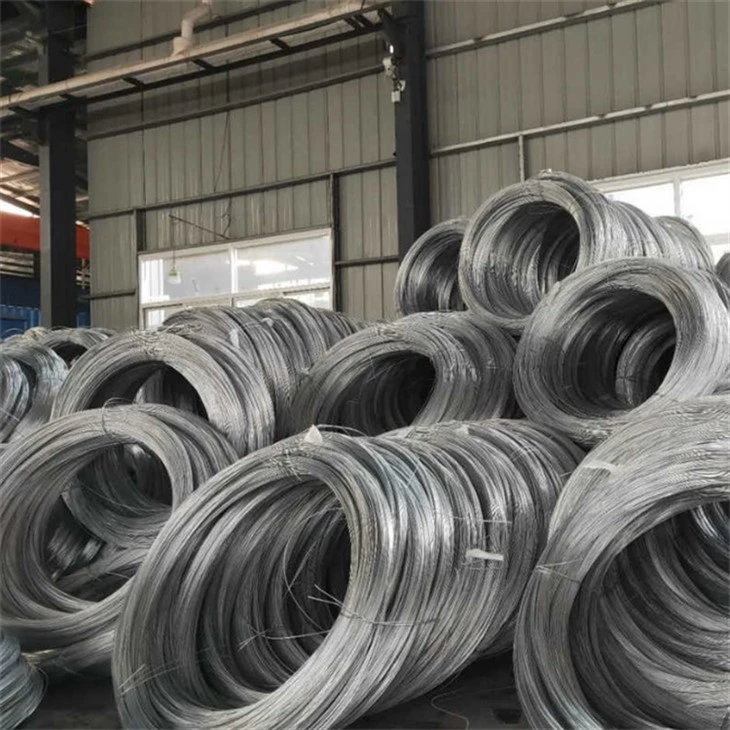
The surface finish of the duplex steel wire can also impact its corrosion resistance. A smooth surface finish reduces the surface area available for corrosive agents to attack and can help maintain the integrity of the passive layer. On the other hand, a rough surface finish can trap corrosive substances, leading to localized corrosion.

Environmental Conditions
The temperature, pH, and concentration of linolenate in the environment can all affect the corrosion rate. Higher temperatures generally increase the rate of chemical reactions, including corrosion. A low pH environment can be more corrosive, as it can dissolve the passive layer on the steel surface. Similarly, a higher concentration of linolenate in the surrounding medium can accelerate the corrosion process.
Benefits of Using Duplex Steel Wire in Linolenate - Prone Environments
Using duplex steel wire in environments prone to linolenate corrosion offers several benefits.
Long - Term Durability
Due to its excellent corrosion resistance, duplex steel wire can withstand the effects of linolenate corrosion for an extended period. This means that structures and equipment made from duplex steel wire require less frequent replacement, reducing maintenance costs and downtime.
High Strength
Duplex steel wire has high strength, which allows it to be used in applications where high mechanical loads are present. This strength, combined with its corrosion resistance, makes it suitable for a wide range of demanding applications, such as in the food processing industry, where it may come into contact with vegetable oils containing linolenate.
Cost - Effectiveness
Although the initial cost of duplex steel wire may be higher than that of some other materials, its long - term cost - effectiveness is undeniable. The reduced need for maintenance and replacement over its service life makes it a more economical choice in the long run.
Our Product Range
We offer a wide range of duplex steel wires, including S31803 Duplex Stainless Steel Wire, S32750 Super Duplex Stainless Steel Wire, and 2304 Duplex Stainless Steel Wire. Each grade is carefully selected and manufactured to meet the highest quality standards, ensuring optimal performance in various applications, especially those where resistance to linolenate corrosion is required.
Conclusion
The resistance of duplex steel wire to linolenate corrosion is a result of its unique chemical composition, microstructure, and other factors. Its ability to withstand the corrosive effects of linolenate makes it an ideal choice for applications in environments where contact with vegetable oils or other linolenate - containing substances is likely.
If you are looking for a reliable supplier of high - quality duplex steel wire with excellent resistance to linolenate corrosion, we are here to help. Our team of experts can assist you in selecting the right grade of duplex steel wire for your specific application and provide you with all the necessary technical support. Contact us today to start a procurement discussion and find out how our duplex steel wire can meet your needs.
References
- "Duplex Stainless Steels: An Overview" by ASM International.
- "Corrosion Resistance of Stainless Steels" by NACE International.
- "Materials Science and Engineering: An Introduction" by William D. Callister Jr. and David G. Rethwisch.