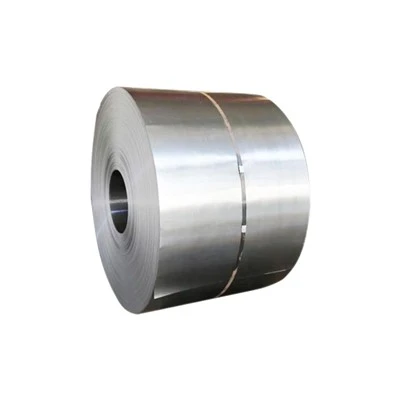
Silicon steel, also known as electrical steel, is a ferromagnetic alloy composed primarily of iron with a silicon content typically ranging from 1% to 4.5%. This alloy is renowned for its exceptional magnetic properties, making it a cornerstone material in the electrical and electronics industries. As a leading supplier of silicon steel, I've witnessed firsthand the critical role it plays in various applications, especially in magnetic shielding. In this blog, I'll delve into the relationship between silicon steel and magnetic shielding, exploring how this remarkable material helps to manage and control magnetic fields.

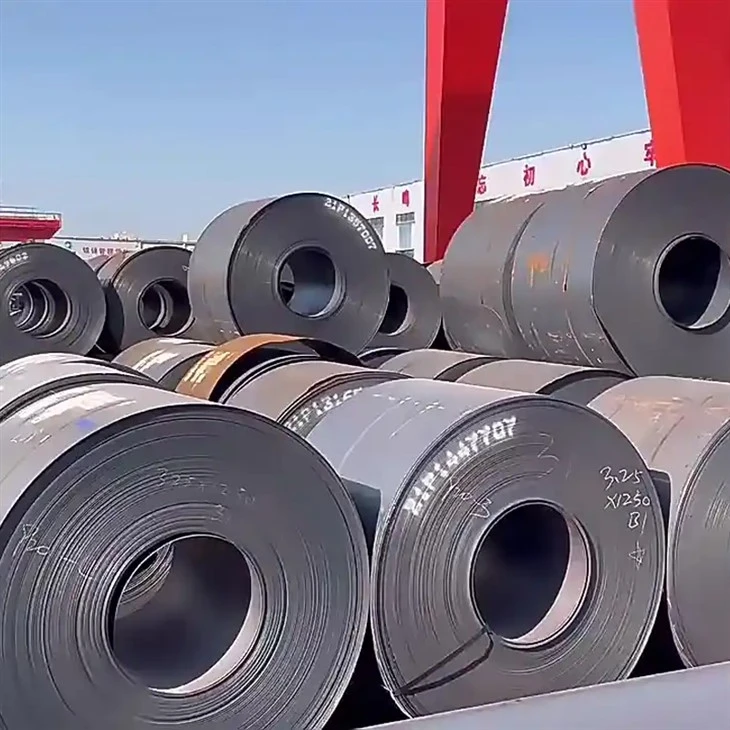
Understanding Magnetic Shielding
Magnetic shielding is a technique used to protect sensitive equipment, components, or environments from the influence of external magnetic fields. These fields can interfere with the proper functioning of electronic devices, cause errors in measurement instruments, or even pose a risk to human health in high - intensity magnetic environments. The goal of magnetic shielding is to redirect or absorb magnetic flux, reducing the magnetic field strength within the shielded area.
There are two main types of magnetic shielding: passive and active. Passive shielding relies on materials with high magnetic permeability to redirect the magnetic field around the protected area. Active shielding, on the other hand, uses coils to generate an opposing magnetic field that cancels out the external field. In this discussion, we'll focus on passive shielding, where silicon steel shines as a key material.
The Magnetic Properties of Silicon Steel
The addition of silicon to iron significantly enhances its magnetic properties. One of the most important characteristics of silicon steel is its high magnetic permeability. Magnetic permeability is a measure of how easily a material can be magnetized. A material with high magnetic permeability can attract and conduct magnetic flux more effectively than a material with low permeability.
Silicon steel also has low core loss, which is the energy dissipated as heat when the material is subjected to a changing magnetic field. Low core loss is crucial in applications where the magnetic field is constantly changing, such as in transformers and motors. By reducing core loss, silicon steel helps to improve the efficiency of these devices.
Another advantage of silicon steel is its high electrical resistivity. The presence of silicon increases the resistivity of the iron, which in turn reduces eddy current losses. Eddy currents are induced in a conductor when it is exposed to a changing magnetic field, and these currents can cause significant energy losses in the form of heat. The high resistivity of silicon steel helps to minimize these losses.
How Silicon Steel Works in Magnetic Shielding
In magnetic shielding applications, silicon steel is used to create a path of least resistance for the magnetic field. When an external magnetic field encounters a shield made of silicon steel, the high - permeability material attracts the magnetic flux and channels it through the shield. This effectively redirects the magnetic field around the protected area, reducing the field strength inside.
The effectiveness of silicon steel as a magnetic shield depends on several factors, including the thickness of the material, the shape of the shield, and the orientation of the magnetic field. Generally, thicker shields provide better shielding performance, as they can accommodate more magnetic flux. The shape of the shield also plays a crucial role. Enclosed shields, such as boxes or cylinders, are more effective than open - faced shields because they can completely surround the protected area and prevent magnetic field leakage.
The orientation of the magnetic field relative to the shield is also important. Silicon steel has anisotropic magnetic properties, which means its magnetic permeability varies depending on the direction of the magnetic field. To achieve optimal shielding performance, the shield should be oriented in such a way that the magnetic field lines are parallel to the direction of highest permeability in the silicon steel.
Applications of Silicon Steel in Magnetic Shielding
Silicon steel is widely used in a variety of magnetic shielding applications across different industries.
Electronics
In the electronics industry, silicon steel is used to shield sensitive components such as hard drives, magnetic sensors, and integrated circuits from external magnetic fields. These components are highly susceptible to magnetic interference, which can cause data corruption, measurement errors, or malfunction. By using silicon steel shields, manufacturers can ensure the reliable operation of their electronic devices. For example, 50W800 Silicon Steel Coil is often used in the production of high - performance magnetic shields for electronic equipment due to its excellent magnetic properties and low core loss.
Medical
In the medical field, silicon steel is used in magnetic resonance imaging (MRI) machines. MRI machines generate strong magnetic fields to create detailed images of the human body. However, these magnetic fields can interfere with other medical equipment in the vicinity. Silicon steel shields are used to contain the magnetic field within the MRI room, protecting other sensitive medical devices from magnetic interference. 50W600 Silicon Steel Coil is a popular choice for MRI shielding applications because of its high magnetic permeability and good mechanical properties.
Power Generation and Distribution
In power generation and distribution systems, silicon steel is used in transformers and other electrical equipment to reduce magnetic interference. Transformers are essential components in power systems, and they rely on magnetic fields to transfer electrical energy from one circuit to another. However, the magnetic fields generated by transformers can also cause interference with nearby equipment. Silicon steel shields are used to contain the magnetic fields and prevent them from affecting other components. M19 Silicon Steel is commonly used in transformer cores and magnetic shields due to its low core loss and high magnetic permeability.
Factors to Consider When Choosing Silicon Steel for Magnetic Shielding
When selecting silicon steel for magnetic shielding applications, there are several factors to consider.
Magnetic Permeability
As mentioned earlier, magnetic permeability is a key factor in determining the effectiveness of a magnetic shield. Higher magnetic permeability means better shielding performance. Different grades of silicon steel have different magnetic permeability values, so it's important to choose the grade that best suits the specific application requirements.
Core Loss
Core loss is another important consideration, especially in applications where the magnetic field is constantly changing. Low - core - loss silicon steel helps to improve the efficiency of the shield and reduces energy consumption.
Thickness and Shape
The thickness and shape of the silicon steel shield should be carefully selected based on the strength of the external magnetic field and the size of the protected area. Thicker shields and enclosed shapes generally provide better shielding performance.
Cost
Cost is always a factor in any engineering decision. While high - performance silicon steel grades may offer better shielding performance, they also tend to be more expensive. It's important to balance the performance requirements with the cost constraints to find the most cost - effective solution.
Contact Us for Your Silicon Steel Needs
As a trusted supplier of silicon steel, we offer a wide range of high - quality products to meet your magnetic shielding needs. Whether you're in the electronics, medical, or power generation industry, our team of experts can help you select the right silicon steel grade and provide customized solutions for your specific applications.
If you're interested in learning more about our silicon steel products or would like to discuss a potential project, please don't hesitate to contact us. We're committed to providing excellent customer service and delivering the best - quality silicon steel at competitive prices. Let's work together to find the perfect magnetic shielding solution for your business.
References
- Cullity, B. D., & Graham, C. D. (2008). Introduction to Magnetic Materials. Wiley - Interscience.
- Bozorth, R. M. (1951). Ferromagnetism. Van Nostrand.
- IEEE Transactions on Magnetics. A peer - reviewed journal that publishes research on magnetic materials and their applications, including silicon steel and magnetic shielding.