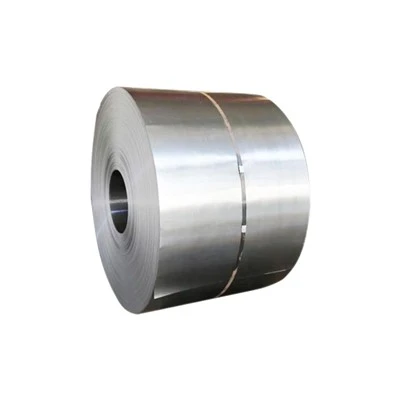
Hey there! As a supplier of duplex steel coils, I often get asked about the radiographic testing requirements for these bad boys. So, I thought I'd take a few minutes to break it down for you in a way that's easy to understand.
First off, let's talk about what duplex steel is. Duplex steel is a type of stainless steel that combines the best of both worlds - the strength of ferritic steel and the corrosion resistance of austenitic steel. This makes it a popular choice for a wide range of applications, from chemical processing to oil and gas.
Now, when it comes to radiographic testing, it's all about making sure that the duplex steel coil is free from any internal defects. Radiographic testing, also known as RT, uses X-rays or gamma rays to create an image of the internal structure of the material. This allows us to detect any cracks, voids, or other flaws that might not be visible on the surface.
So, what are the specific radiographic testing requirements for duplex steel coils? Well, it really depends on a few factors, such as the application, the thickness of the coil, and the industry standards that need to be met.


Industry Standards
One of the most common standards for radiographic testing is the American Society for Nondestructive Testing (ASNT). ASNT has a set of guidelines that specify the procedures and acceptance criteria for RT. These guidelines ensure that the testing is done in a consistent and reliable manner.
Another important standard is the International Organization for Standardization (ISO). ISO standards are widely recognized around the world and provide a framework for quality control in various industries. For duplex steel coils, ISO standards may specify the minimum requirements for radiographic testing, including the type of radiation source, the exposure time, and the image quality.
Thickness of the Coil
The thickness of the duplex steel coil also plays a role in the radiographic testing requirements. Thicker coils may require more powerful radiation sources and longer exposure times to get a clear image. For example, a thin coil might be tested using a lower energy X-ray machine, while a thicker coil might need a gamma ray source.
Application
The application of the duplex steel coil is another crucial factor. If the coil is going to be used in a high-stress or high-corrosion environment, such as in a chemical plant or an offshore oil rig, the radiographic testing requirements will be more stringent. In these cases, we need to make sure that the coil is free from any defects that could compromise its performance or safety.
Our Testing Process
At our company, we take radiographic testing very seriously. We have a team of experienced technicians who are trained to perform RT according to the highest industry standards. Here's a quick overview of our testing process:
- Pre - testing Preparation: Before we start the radiographic testing, we make sure that the surface of the duplex steel coil is clean and free from any contaminants. This helps to ensure a clear image.
- Selection of Radiation Source: Based on the thickness and type of the coil, we select the appropriate radiation source. We have both X - ray and gamma ray machines in our facility.
- Exposure: The coil is placed in the testing area, and the radiation source is positioned at the correct distance and angle. The exposure time is carefully calculated to get the best possible image.
- Image Development: After the exposure, the radiographic film is developed. Our technicians then carefully examine the image for any signs of defects.
- Reporting: If any defects are found, we document them in a detailed report. We also provide recommendations on whether the coil can still be used or if it needs to be repaired or replaced.
Types of Duplex Steel Coils We Offer
We offer a variety of duplex steel coils, each with its own unique properties and applications. Here are some of the popular types:
- 2101 Duplex Stainless Steel Coil: This type of coil is known for its good strength and corrosion resistance. It's often used in architectural applications, such as building facades and handrails.
- 2205 Duplex Stainless Steel Coil: 2205 is one of the most widely used duplex stainless steels. It has excellent resistance to stress corrosion cracking and is commonly used in the chemical, petrochemical, and marine industries.
- S32750 Super Duplex Stainless Steel Coil: As the name suggests, super duplex steel has even higher strength and corrosion resistance than standard duplex steel. S32750 is often used in highly demanding applications, such as offshore oil and gas platforms.
Why Choose Our Duplex Steel Coils
When you choose our duplex steel coils, you can be confident that you're getting a high - quality product. Here's why:
- Quality Assurance: We follow strict quality control procedures, including radiographic testing, to ensure that our coils meet or exceed industry standards.
- Expertise: Our team has years of experience in the duplex steel industry. We can provide you with expert advice on the best type of coil for your specific application.
- Customization: We understand that every customer has different needs. That's why we offer customized solutions, including different sizes, thicknesses, and finishes.
Contact Us for Procurement
If you're interested in purchasing duplex steel coils, we'd love to hear from you. Whether you have questions about our products, the radiographic testing process, or need a quote, don't hesitate to reach out. We're here to help you find the perfect solution for your project.
References
- American Society for Nondestructive Testing (ASNT) Standards
- International Organization for Standardization (ISO) Standards
- Various industry publications on duplex steel and nondestructive testing