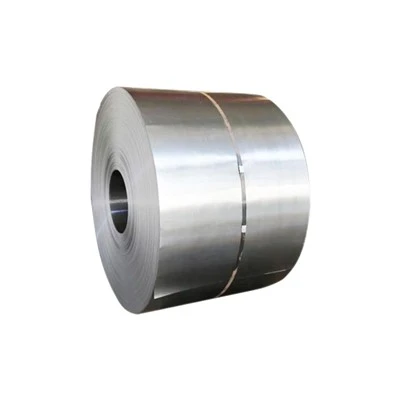
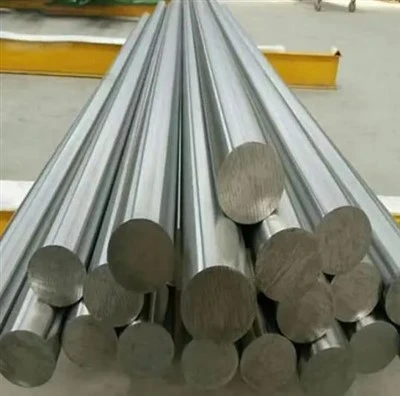
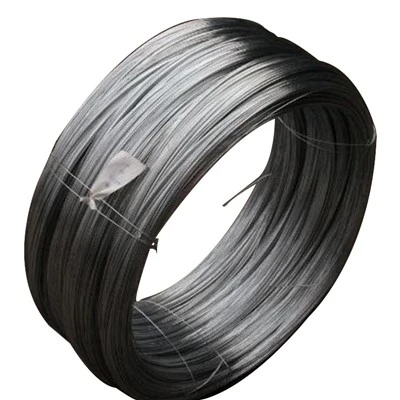
As a supplier of duplex steel coil, I've witnessed firsthand the numerous benefits this material offers, from its exceptional corrosion resistance to its high strength - to - weight ratio. However, like any material, using duplex steel coil comes with its own set of challenges. In this blog post, I'll explore these challenges and propose practical solutions to help you make the most of this remarkable material.
Challenges in Using Duplex Steel Coil
Welding Difficulties
One of the most significant challenges in working with duplex steel coil is welding. Duplex steel has a two - phase microstructure consisting of austenite and ferrite. During the welding process, improper heat input can lead to an imbalance in the austenite - ferrite ratio. If the heat input is too high, excessive ferrite can form, which reduces the corrosion resistance and toughness of the welded joint. On the other hand, insufficient heat input may result in incomplete fusion and porosity.
Corrosion in Specific Environments
Although duplex steel is known for its excellent corrosion resistance, it is not immune to corrosion in all environments. In some aggressive chemical environments, such as those containing high concentrations of chloride ions, duplex steel can still be susceptible to pitting corrosion, crevice corrosion, and stress - corrosion cracking. This is especially true in areas with poor water circulation or where the steel is exposed to stagnant solutions.
Cost
Duplex steel coil is generally more expensive than traditional carbon steel or austenitic stainless steel. The higher cost is due to the complex manufacturing process and the use of alloying elements such as chromium, nickel, and molybdenum. This cost factor can be a significant barrier for some projects, especially those with tight budgets.
Fabrication Complexities
Fabricating duplex steel coil requires specialized equipment and expertise. The material's high strength and hardness can make it difficult to cut, bend, and form compared to other steels. In addition, improper handling during fabrication can cause surface damage, which may affect the material's corrosion resistance and appearance.


Solutions to the Challenges
Welding Solutions
To overcome the welding challenges, it is crucial to use the right welding process and parameters. For duplex steel, gas tungsten arc welding (GTAW) and shielded metal arc welding (SMAW) are commonly used. These processes allow for better control of the heat input. Pre - heating the material before welding can also help to reduce the cooling rate and prevent the formation of excessive ferrite.
It is also essential to use filler metals that are specifically designed for duplex steel. These filler metals are formulated to maintain the proper austenite - ferrite balance in the welded joint. For example, when welding S32750 Super Duplex Stainless Steel Coil, a filler metal with a similar chemical composition should be selected to ensure the integrity of the welded joint.
Corrosion Prevention
To prevent corrosion in specific environments, proper material selection is key. Different grades of duplex steel have different levels of corrosion resistance. For example, 2507 Duplex Stainless Steel Coil has a higher molybdenum content, which makes it more resistant to pitting and crevice corrosion in chloride - containing environments compared to other grades.
In addition to material selection, surface treatment can also enhance the corrosion resistance of duplex steel coil. Passivation is a common surface treatment method that involves removing free iron from the surface of the steel and forming a protective oxide layer. This layer acts as a barrier against corrosion.
Regular inspection and maintenance are also necessary to detect and address any signs of corrosion early. This can include visual inspections, non - destructive testing, and monitoring of environmental conditions.
Cost Management
While duplex steel coil is more expensive, its long - term cost - effectiveness should be considered. Due to its high strength and corrosion resistance, duplex steel can often be used in thinner gauges, which reduces the amount of material required. This can offset the higher initial cost.
Another way to manage costs is to work closely with a reliable supplier. As a supplier, we can offer competitive pricing based on volume discounts and long - term contracts. We can also provide technical support to help you optimize the use of duplex steel in your project, reducing waste and unnecessary costs.
Fabrication Improvements
To simplify the fabrication process, it is important to use the right tools and techniques. High - speed cutting tools and precision bending equipment can improve the efficiency and quality of fabrication. Training the fabrication team on the specific properties and requirements of duplex steel is also essential.
For example, when cutting S31803 Duplex Stainless Steel Coil, using a laser cutting machine can provide a clean and precise cut, minimizing the risk of surface damage. During bending, the bending radius should be carefully calculated to avoid cracking or deformation.
Conclusion
Duplex steel coil offers many advantages, but it also presents several challenges in its use. By understanding these challenges and implementing the appropriate solutions, you can fully leverage the benefits of this material. Whether it's through proper welding techniques, corrosion prevention measures, cost management strategies, or improved fabrication methods, there are ways to overcome the obstacles and ensure the success of your project.
If you are considering using duplex steel coil for your next project, I encourage you to reach out to us. As a professional supplier, we have the expertise and resources to provide you with high - quality duplex steel coil and comprehensive technical support. We can work with you to find the best solutions for your specific needs and help you achieve your project goals. Contact us today to start the conversation about your procurement requirements.
References
- ASM Handbook, Volume 13A: Corrosion: Fundamentals, Testing, and Protection.
- Duplex Stainless Steels: An Introduction by The Nickel Institute.
- Welding of Duplex Stainless Steels: Guidelines and Best Practices by The Welding Institute.