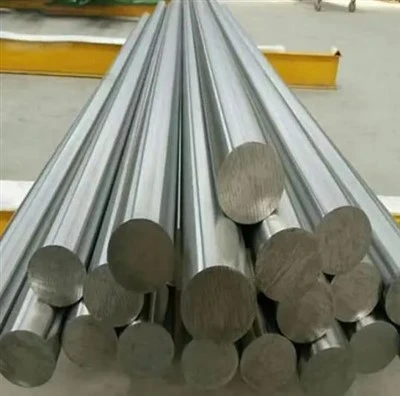
As a seasoned supplier of alloy steel plates, I understand the paramount importance of ensuring the quality of our products. Alloy steel plates are used in a wide range of industries, from construction and manufacturing to energy and transportation. Their performance can significantly impact the safety and efficiency of various applications. In this blog post, I will share some of the key methods and considerations for testing the quality of alloy steel plates.
Chemical Composition Analysis
One of the fundamental aspects of assessing the quality of an alloy steel plate is to determine its chemical composition. The specific elements present in the alloy, along with their proportions, directly influence the plate's mechanical properties, corrosion resistance, and other characteristics.
There are several techniques available for chemical composition analysis. One commonly used method is optical emission spectrometry (OES). This technique involves exciting the atoms in the steel sample with an electric arc or spark, causing them to emit light at specific wavelengths. By analyzing the emitted light, the concentrations of different elements can be accurately determined. OES is a fast and reliable method that can provide results for a wide range of elements in a relatively short time.
Another method is X-ray fluorescence (XRF) analysis. XRF works by irradiating the steel sample with X-rays, which causes the atoms in the sample to emit secondary X-rays. The energy and intensity of these secondary X-rays are characteristic of the elements present in the sample. XRF is a non-destructive method that can be used for both qualitative and quantitative analysis. It is particularly useful for on-site testing and can provide quick results without the need for extensive sample preparation.
In addition to these instrumental methods, wet chemical analysis can also be used for more accurate determination of certain elements. This method involves dissolving the steel sample in appropriate reagents and then using chemical reactions to measure the concentrations of specific elements. Wet chemical analysis is more time-consuming and requires skilled technicians, but it can provide highly accurate results, especially for trace elements.
Mechanical Property Testing
Mechanical properties are another crucial aspect of alloy steel plate quality. These properties determine the plate's ability to withstand various loads and stresses in different applications. Some of the key mechanical properties that are typically tested include tensile strength, yield strength, elongation, hardness, and impact toughness.
Tensile testing is one of the most common mechanical tests for alloy steel plates. In a tensile test, a specimen of the steel plate is subjected to a gradually increasing tensile force until it breaks. The test measures the maximum load the specimen can withstand (tensile strength) and the amount of deformation it undergoes before breaking (elongation). Yield strength is the stress at which the specimen begins to deform plastically. Tensile testing provides important information about the plate's strength and ductility.
Hardness testing is also widely used to assess the quality of alloy steel plates. Hardness is a measure of the material's resistance to indentation or scratching. There are several hardness testing methods available, including Brinell hardness testing, Rockwell hardness testing, and Vickers hardness testing. Each method has its own advantages and is suitable for different types of materials and applications. Hardness testing can provide an indication of the plate's strength, wear resistance, and heat treatment quality.
Impact toughness testing is used to evaluate the plate's ability to absorb energy and resist fracture under impact loading. The most common impact test is the Charpy V-notch test, in which a notched specimen is struck by a pendulum hammer. The energy absorbed by the specimen during the impact is measured, and this value is used to assess the plate's impact toughness. Impact toughness is particularly important for applications where the steel plate may be subjected to sudden or dynamic loads.
Non-Destructive Testing (NDT)
Non-destructive testing methods are used to detect internal and surface defects in alloy steel plates without causing damage to the material. These methods are essential for ensuring the integrity and safety of the plates, especially in critical applications.
Ultrasonic testing (UT) is one of the most widely used NDT methods for alloy steel plates. UT works by sending high-frequency sound waves into the steel plate and analyzing the echoes that are reflected back from internal defects such as cracks, voids, or inclusions. Ultrasonic testing can detect defects deep within the material and is capable of providing detailed information about the size, location, and orientation of the defects.
Magnetic particle testing (MT) is another NDT method that is commonly used for detecting surface and near-surface defects in ferromagnetic alloy steel plates. In MT, a magnetic field is applied to the plate, and magnetic particles are then applied to the surface. If there are any defects present, the magnetic field will be distorted, causing the magnetic particles to accumulate at the defect sites, making them visible. MT is a relatively simple and cost-effective method that can quickly detect surface and near-surface defects.
Radiographic testing (RT) is a more advanced NDT method that uses X-rays or gamma rays to penetrate the steel plate and create an image of the internal structure. RT can detect internal defects such as cracks, porosity, and inclusions. It provides a detailed view of the internal structure of the plate and is particularly useful for detecting defects in thick plates or complex geometries. However, RT requires specialized equipment and trained personnel, and it also involves the use of radiation, which requires strict safety precautions.
Surface Inspection
Surface inspection is an important part of the quality testing process for alloy steel plates. The surface condition of the plate can affect its appearance, corrosion resistance, and performance. Visual inspection is the most basic method of surface inspection, which involves examining the plate's surface for visible defects such as cracks, scratches, pits, and rust.
In addition to visual inspection, other surface inspection methods can be used to detect more subtle defects. For example, eddy current testing (ECT) can be used to detect surface and near-surface defects in non-ferromagnetic alloy steel plates. ECT works by inducing an alternating current in the plate, which creates eddy currents. Any defects in the plate will disrupt the eddy currents, causing a change in the electrical properties, which can be detected and analyzed.
Considerations for Different Types of Alloy Steel Plates
Different types of alloy steel plates have different properties and requirements, and the testing methods and standards may vary accordingly. For example, A387 Alloy Steel Plate is commonly used in high-temperature and pressure applications, such as in the oil and gas industry. When testing A387 alloy steel plates, special attention should be paid to their high-temperature strength, creep resistance, and corrosion resistance.


X12CrMo5 Alloy Steel Plate is known for its good hardenability and wear resistance. When testing X12CrMo5 alloy steel plates, the focus should be on its hardness, wear resistance, and microstructure.
16Mo3 Alloy Steel Plate is often used in boiler and pressure vessel applications. Testing of 16Mo3 alloy steel plates should include assessment of its mechanical properties at elevated temperatures, as well as its resistance to corrosion and creep.
Conclusion
Testing the quality of alloy steel plates is a comprehensive process that involves multiple methods and considerations. By conducting thorough chemical composition analysis, mechanical property testing, non-destructive testing, and surface inspection, we can ensure that our alloy steel plates meet the highest quality standards and are suitable for a wide range of applications.
As a reliable alloy steel plate supplier, we are committed to providing our customers with high-quality products. We use state-of-the-art testing equipment and follow strict quality control procedures to ensure the quality and performance of our alloy steel plates. If you are interested in purchasing alloy steel plates or have any questions about our products, please feel free to contact us for further discussion and negotiation.
References
- ASM Handbook Volume 3: Alloy Phase Diagrams
- ASTM International Standards for Steel Products
- ISO Standards for Metallic Materials Testing