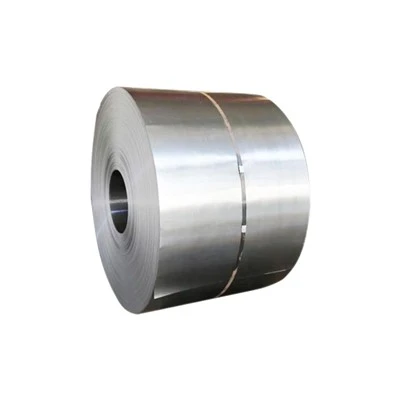
As a carbon steel coil supplier, I've witnessed firsthand the significant energy demands of the production process. In an era where environmental concerns and energy costs are at the forefront of business considerations, finding ways to reduce energy consumption in carbon steel coil production is not just a matter of corporate responsibility but also a strategic business move. This blog post will explore several effective strategies that can help us achieve this goal.
Optimize the Heating Process
One of the most energy-intensive steps in carbon steel coil production is the heating process. Whether it's heating the raw materials before rolling or annealing the finished coils, a substantial amount of energy is consumed. To reduce energy consumption in this area, we can adopt advanced heating technologies.
Induction heating is a prime example. Unlike traditional heating methods that rely on conduction and convection, induction heating uses electromagnetic fields to directly heat the metal. This results in faster heating times and less energy loss to the surrounding environment. According to a study by the American Iron and Steel Institute, induction heating can reduce energy consumption by up to 30% compared to conventional heating methods [1].
Another approach is to optimize the heating temperature and time. By carefully controlling these parameters based on the specific requirements of the carbon steel grade, we can ensure that the metal is heated to the appropriate temperature for the shortest possible time. For instance, for 1008 Carbon Steel Coil, which has a relatively low carbon content, we can adjust the heating process to be more energy-efficient without compromising the quality of the final product.
Improve the Efficiency of Rolling Mills
Rolling mills are another major energy consumer in carbon steel coil production. To reduce energy consumption here, we can focus on improving the efficiency of the rolling process.
One way is to use high - efficiency motors and drives in the rolling mills. Modern variable frequency drives (VFDs) can adjust the speed of the motors according to the actual load requirements, reducing energy waste. For example, when the rolling mill is operating at a lower capacity, the VFD can slow down the motor, consuming less energy.
Regular maintenance of the rolling mill equipment is also crucial. Worn - out rollers, bearings, and gears can increase friction, which in turn requires more energy to operate the mill. By keeping the equipment in good condition, we can ensure smooth operation and reduce energy consumption.
In addition, optimizing the rolling schedule can also lead to energy savings. By grouping similar carbon steel grades together and planning the rolling sequence more efficiently, we can minimize the need for frequent adjustments to the mill settings, reducing energy losses associated with these changes. For example, when producing A1011 CS Type B and A283 Carbon Steel Coil, we can plan the production in a way that reduces the idle time of the rolling mill and maximizes its energy - efficiency.
Implement Energy Recovery Systems
Energy recovery systems can play a significant role in reducing energy consumption in carbon steel coil production. There are several types of energy that can be recovered during the production process.
Exhaust heat recovery is one of the most common methods. The high - temperature exhaust gases from furnaces and other heating equipment contain a large amount of heat energy. By installing heat exchangers, we can capture this heat and use it to pre - heat incoming air or water, reducing the energy required for heating. For example, in a steelmaking plant, the heat recovered from the exhaust gases can be used to pre - heat the combustion air for the furnace, improving the overall energy efficiency of the heating process.
Waste heat from the rolling process can also be recovered. The hot rolled coils release a significant amount of heat as they cool down. By using appropriate heat recovery systems, this heat can be used for other purposes within the plant, such as heating the factory building or providing hot water for other processes.


Optimize the Supply Chain
The supply chain also has an impact on energy consumption in carbon steel coil production. By optimizing the supply chain, we can reduce the energy required for transportation, storage, and handling of raw materials and finished products.
One strategy is to source raw materials locally. By reducing the distance that the raw materials need to travel, we can minimize the energy consumed in transportation. This not only reduces the carbon footprint but also lowers the overall energy cost of production.
In addition, efficient inventory management can also help reduce energy consumption. By maintaining an optimal inventory level, we can avoid over - production and unnecessary storage of finished products. This reduces the energy required for storing and handling the products in the warehouse.
Employee Training and Awareness
Finally, employee training and awareness are essential for reducing energy consumption in carbon steel coil production. Employees are on the front line of the production process, and their actions can have a significant impact on energy efficiency.
By providing regular training on energy - saving techniques and best practices, we can empower employees to make more energy - efficient decisions in their daily work. For example, training employees on how to properly operate the heating equipment, rolling mills, and other energy - consuming devices can help reduce energy waste.
Creating an energy - saving culture within the company is also important. By rewarding employees for their energy - saving efforts and promoting energy - efficient behavior, we can encourage everyone to contribute to the overall goal of reducing energy consumption.
In conclusion, reducing energy consumption in carbon steel coil production is a multi - faceted challenge that requires a comprehensive approach. By optimizing the heating process, improving the efficiency of rolling mills, implementing energy recovery systems, optimizing the supply chain, and raising employee awareness, we can make significant progress in this area. As a carbon steel coil supplier, we are committed to adopting these strategies to not only reduce our energy costs but also contribute to a more sustainable future.
If you are interested in our carbon steel coil products or have any questions about energy - efficient production, please feel free to contact us for procurement discussions. We look forward to working with you to meet your steel needs.
References
[1] American Iron and Steel Institute. "Energy Efficiency in Steelmaking." Technical Report, 20XX.