Hey there! As an alloy steel plate supplier, I've been through countless price negotiation sessions. It's a crucial part of the business, and getting it right can make a huge difference in your bottom line. So, let's dive into how you can negotiate the price of alloy steel plates with suppliers like me.
Understanding the Market
First things first, you need to have a good grasp of the alloy steel plate market. The prices can fluctuate due to various factors such as raw material costs, supply and demand, and global economic conditions. Keep an eye on industry news, market reports, and price trends. For instance, if there's a sudden increase in the price of iron ore, which is a key raw material for alloy steel, you can expect the prices of alloy steel plates to go up as well.
Know Your Requirements
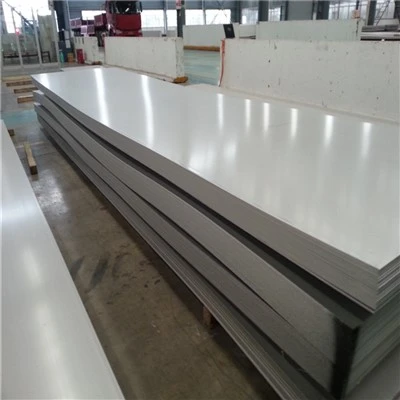
Before you start negotiating, be clear about what you need. Determine the quantity, quality, and specifications of the alloy steel plates you're looking for. For example, if you need 16Mo3 Alloy Steel Plate, know its chemical composition, thickness, and size requirements. This will help you communicate your needs effectively to the supplier and also give you a better idea of what to expect in terms of price.
Research Multiple Suppliers
Don't put all your eggs in one basket. Reach out to several alloy steel plate suppliers and get quotes from each of them. This will give you a benchmark to compare prices and also put you in a better negotiating position. You can use online platforms, industry directories, or even ask for recommendations from other businesses in your industry.
Build a Relationship
Building a good relationship with your supplier is essential. Suppliers are more likely to offer better prices and terms to customers they trust and have a good rapport with. Take the time to get to know your supplier, understand their business, and show that you're a reliable and long - term customer. You can start by having friendly conversations, asking about their production processes, and showing interest in their products.
Be Prepared to Walk Away
One of the most powerful negotiation tactics is being willing to walk away. If the supplier's price is too high and they're not willing to budge, don't be afraid to look elsewhere. This shows the supplier that you're serious about getting a good deal and that you have other options. However, make sure you've done your research and have alternative suppliers lined up.
Use Leverage
If you're a large - volume buyer, you have more leverage in price negotiations. Suppliers are often willing to offer discounts for large orders as it guarantees them a significant amount of business. You can also mention if you have a long - term contract in mind or if you're planning to make repeat purchases. This can give you an edge in getting a better price.
Negotiate on Terms
Price isn't the only thing you can negotiate. You can also discuss other terms such as payment terms, delivery time, and after - sales service. For example, if you're willing to pay upfront, the supplier might be willing to offer a lower price. Or, if you can be flexible with the delivery time, they may be able to give you a better deal.
Highlight Your Value
Let the supplier know what value you bring to the table. If you have a good reputation in the industry, or if you can provide referrals to other potential customers, make sure to mention it. Suppliers are more likely to offer favorable prices to customers who can help them grow their business.
Be Flexible
Negotiation is a two - way street. Be open to compromise and find a solution that works for both you and the supplier. For example, if the supplier can't lower the price, maybe they can offer additional services or free samples.

Case Studies
Let's take a look at a couple of real - life examples. A construction company was looking for 42CrMo Alloy Steel Plate for a large - scale project. They reached out to multiple suppliers and got quotes. One supplier offered a relatively high price, but the construction company was able to negotiate by highlighting their long - term business potential. They also offered to pay a certain percentage upfront. In the end, the supplier agreed to lower the price by 10%.
Another example is a manufacturing company that needed X12CrMo5 Alloy Steel Plate. They were in a hurry to get the plates, but the supplier's delivery time was too long. The manufacturing company negotiated with the supplier and offered to pay a premium for faster delivery. The supplier agreed, and both parties were satisfied with the outcome.
Conclusion
Negotiating the price of alloy steel plates with suppliers is a skill that can be learned and mastered. By understanding the market, knowing your requirements, building relationships, and using effective negotiation tactics, you can get the best possible price for your alloy steel plates. Remember, it's not just about getting the lowest price, but also about finding a mutually beneficial solution that meets both your needs and the supplier's.
If you're interested in purchasing alloy steel plates and want to discuss prices and terms, feel free to reach out. I'm here to help you get the best deal possible.
References
- Industry publications on alloy steel market trends
- Past negotiation experiences with customers