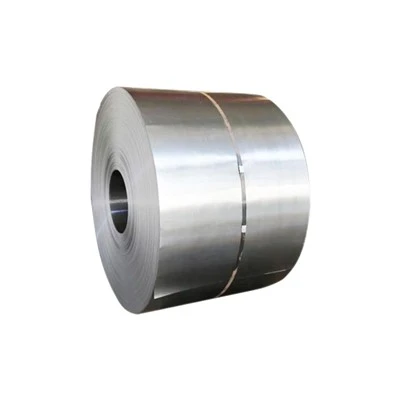
Hey there! As a carbon steel coil supplier, I know firsthand how important it is to have corrosion-resistant carbon steel coils. Corrosion can not only damage the appearance of the steel but also compromise its structural integrity, leading to costly repairs or replacements. In this blog post, I'll share some practical tips on how to improve the corrosion resistance of carbon steel coils.
Understanding Corrosion in Carbon Steel Coils
Before we dive into the solutions, let's quickly understand what causes corrosion in carbon steel coils. Carbon steel is an alloy of iron and carbon, and when exposed to oxygen and moisture, a chemical reaction occurs, forming iron oxide, commonly known as rust. Factors like humidity, temperature, and the presence of contaminants in the environment can accelerate this process.
1. Surface Treatment
One of the most effective ways to improve corrosion resistance is through surface treatment. There are several methods available, and I'll discuss a few popular ones.
Galvanizing
Galvanizing involves coating the carbon steel coil with a layer of zinc. Zinc acts as a sacrificial anode, meaning it corrodes before the steel does. This protective layer prevents oxygen and moisture from reaching the steel surface. There are two main types of galvanizing: hot-dip galvanizing and electro-galvanizing. Hot-dip galvanizing is a more common and cost - effective method, where the steel is dipped into a bath of molten zinc. Electro - galvanizing, on the other hand, uses an electric current to deposit a thin layer of zinc on the steel surface. Galvanized carbon steel coils are widely used in outdoor applications such as construction and automotive parts.
Painting
Applying a high - quality paint coating to the carbon steel coil can also provide excellent corrosion protection. Paint creates a physical barrier between the steel and the environment. When choosing a paint, make sure it is specifically designed for steel surfaces and can withstand the environmental conditions it will be exposed to. For example, if the coil will be used in a marine environment, a paint with anti - rust and anti - salt properties is essential.
Phosphating
Phosphating is a chemical treatment that forms a phosphate coating on the steel surface. This coating not only improves corrosion resistance but also enhances the adhesion of paint or other coatings. Phosphated carbon steel coils are often used in the automotive and appliance industries.
2. Alloying
Another approach to improving corrosion resistance is by alloying the carbon steel. Adding certain elements to the steel can change its chemical properties and make it more resistant to corrosion.
Chromium
Chromium is a well - known alloying element for improving corrosion resistance. When added to carbon steel, it forms a thin, passive oxide layer on the surface that protects the steel from further oxidation. Stainless steel, which contains a significant amount of chromium, is highly corrosion - resistant. While full - fledged stainless steel is different from carbon steel, adding a small amount of chromium to carbon steel can still enhance its corrosion resistance.
Nickel
Nickel can also improve the corrosion resistance of carbon steel, especially in acidic environments. It helps to stabilize the passive oxide layer and reduces the rate of corrosion. However, nickel is relatively expensive, so the amount added needs to be carefully considered based on the application and cost - effectiveness.
3. Environmental Control
Controlling the environment where the carbon steel coil is stored and used can significantly reduce the risk of corrosion.
Storage Conditions
When storing carbon steel coils, it's important to keep them in a dry, well - ventilated area. Avoid storing them in areas prone to high humidity, such as near water sources or in basements. If possible, use dehumidifiers to maintain a low humidity level. Also, make sure the coils are stored on pallets or racks to prevent direct contact with the ground, which can be a source of moisture.
Cleaning and Maintenance
Regular cleaning of the carbon steel coil can remove dirt, dust, and other contaminants that can accelerate corrosion. Use a mild detergent and water to clean the surface, and dry it thoroughly after cleaning. Inspect the coils regularly for signs of corrosion, and if any is detected, take appropriate measures such as touch - up painting or surface treatment.
4. Quality Control in Production
As a carbon steel coil supplier, we pay close attention to quality control during the production process.
Raw Material Selection
Using high - quality raw materials is the first step in producing corrosion - resistant carbon steel coils. We carefully select the steel grades and ensure that they meet the required specifications. For example, our 1008 Carbon Steel Coil is made from high - purity raw materials, which provides a good base for corrosion resistance.
Manufacturing Process
The manufacturing process also plays a crucial role in determining the corrosion resistance of the carbon steel coil. We use advanced manufacturing techniques to ensure uniform thickness, proper surface finish, and accurate chemical composition. For instance, our A283 Carbon Steel Coil is produced with strict quality control measures to ensure its performance and corrosion resistance.


5. Coating Inspection and Testing
After applying any coating or treatment, it's important to inspect and test the carbon steel coil to ensure its effectiveness.
Visual Inspection
A simple visual inspection can reveal obvious signs of coating defects such as cracks, blisters, or uneven coverage. Any defective areas should be repaired or recoated immediately.
Salt Spray Testing
Salt spray testing is a common method to evaluate the corrosion resistance of coated carbon steel coils. The coil is placed in a chamber where it is exposed to a salt - water mist for a specified period. After the test, the amount of corrosion on the surface is evaluated. This test helps to predict how the coil will perform in real - world, corrosive environments.
Conclusion
Improving the corrosion resistance of carbon steel coils is a multi - faceted process that involves surface treatment, alloying, environmental control, quality production, and proper testing. As a carbon steel coil supplier, we are committed to providing high - quality, corrosion - resistant products. Whether you need 1008 Carbon Steel Coil, A283 Carbon Steel Coil, or S45C Carbon Steel Coil, we have the expertise and resources to meet your needs.
If you're interested in purchasing high - quality carbon steel coils with excellent corrosion resistance, don't hesitate to reach out for a procurement discussion. We're here to help you find the best solutions for your specific applications.
References
- Fontana, M. G. (1986). Corrosion Engineering. McGraw - Hill.
- Uhlig, H. H., & Revie, R. W. (1985). Corrosion and Corrosion Control. Wiley - Interscience.