Customizing carbon steel profiles is a complex process influenced by numerous factors. As a seasoned carbon steel profiles supplier, I've witnessed firsthand the diverse requirements and cost - related concerns of our clients. In this blog, I'll break down the various elements that contribute to the cost of customizing carbon steel profiles.
Material Costs
The type of carbon steel is the first and most fundamental factor affecting the cost. Different grades of carbon steel have different compositions, which directly impact their properties and prices. For instance, low - carbon steels like Q235 are relatively inexpensive due to their lower carbon content and simpler production process. Q235 Carbon Steel H Beam, available at Q235 Carbon Steel H Beam, is a popular choice for general construction purposes. Its cost is often lower compared to high - strength carbon steels.
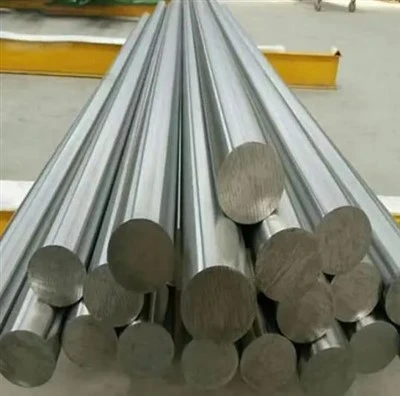
On the other hand, medium - and high - carbon steels contain more carbon, which gives them greater strength and hardness. However, the additional processing required to achieve the desired carbon content and properties makes them more expensive. For example, 1018 Carbon Steel Square, accessible via 1018 Carbon Steel Square, has a specific carbon content that offers a good balance between machinability and strength, and its price reflects these characteristics.
The purity of the carbon steel also plays a role. Steel with fewer impurities generally commands a higher price because it requires more refined production methods. High - purity carbon steel is often used in applications where quality and performance are critical, such as in the aerospace or automotive industries.
Production Process Costs
The manufacturing process for custom carbon steel profiles can be quite intricate. Cutting is one of the initial steps. Different cutting methods, such as sawing, shearing, or laser cutting, have different costs associated with them. Laser cutting, for example, is more precise but also more expensive due to the high - tech equipment and energy consumption involved.
Forming is another crucial process. Bending, rolling, and forging are common forming techniques. The complexity of the shape being formed affects the cost. A simple straight beam will be less expensive to produce than a beam with complex curves or angles. For instance, creating an A36 Carbon Steel Channel, which you can learn more about at A36 Carbon Steel Channel, may involve specific rolling processes that add to the overall cost.
Heat treatment is often necessary to enhance the mechanical properties of the carbon steel. Processes like annealing, quenching, and tempering require specialized equipment and careful control of temperature and time. These processes not only increase the cost of production but also add value to the final product by improving its strength, hardness, and toughness.
Quantity and Order Size
The quantity of carbon steel profiles ordered has a significant impact on the cost. Generally, larger orders benefit from economies of scale. When producing in bulk, the fixed costs associated with setting up the production line, such as tooling and equipment setup, can be spread over a larger number of units. This results in a lower per - unit cost.
For small - scale orders, the per - unit cost is usually higher because the fixed costs are divided among fewer products. Additionally, small orders may require more time and effort in terms of production planning and scheduling, which can also contribute to the overall cost.
Surface Treatment Costs
Surface treatment is essential to protect carbon steel from corrosion and improve its appearance. Common surface treatments include galvanizing, painting, and powder coating. Galvanizing involves applying a layer of zinc to the steel surface, which provides excellent corrosion resistance. However, the cost of galvanizing depends on the thickness of the zinc coating and the size and shape of the profiles.
Painting and powder coating are also popular options. The cost of these treatments depends on the type of paint or powder used, the number of coats applied, and the surface area to be covered. High - quality paints and powders that offer better durability and aesthetics will naturally cost more.
Design Complexity
The complexity of the design of the carbon steel profiles is a major cost factor. Simple, standard shapes are generally less expensive to produce because they require less specialized tooling and production processes. In contrast, custom - designed profiles with unique geometries, intricate patterns, or special features demand more time, expertise, and resources.
For example, if a client requests a carbon steel profile with a custom - engraved logo or a complex cross - sectional shape, the production process will be more involved. This may require the use of advanced machining techniques, such as CNC (Computer Numerical Control) machining, which can significantly increase the cost.
Market Conditions
The global steel market is subject to fluctuations in prices due to various factors, including supply and demand, raw material costs, and geopolitical events. When the demand for steel is high and the supply is limited, the price of carbon steel will increase. Conversely, when there is an oversupply of steel in the market, prices tend to drop.
In addition, the cost of energy, which is a major input in the steel production process, can also affect the price of carbon steel profiles. Fluctuations in oil and electricity prices can lead to changes in production costs, which are then passed on to the customers.
Transportation and Logistics
The cost of transporting the customized carbon steel profiles from the production facility to the customer's location is another important consideration. The distance between the two locations, the mode of transportation (such as truck, train, or ship), and the weight and volume of the profiles all influence the transportation cost.
For international orders, additional costs such as customs duties, tariffs, and shipping insurance may also apply. These costs can vary significantly depending on the destination country and the trade policies in place.


Conclusion
In conclusion, the cost of customizing carbon steel profiles is determined by a multitude of factors, including material costs, production processes, order quantity, surface treatment, design complexity, market conditions, and transportation. As a carbon steel profiles supplier, we understand the importance of providing our customers with accurate cost estimates based on their specific requirements.
If you are interested in customizing carbon steel profiles for your project, we invite you to contact us for a detailed quote. Our team of experts will work closely with you to understand your needs and provide the most cost - effective solutions. Whether you need a small batch of custom - designed profiles or a large - scale order, we are committed to delivering high - quality products at competitive prices.
References
- "Steel Industry Handbook" - A comprehensive guide on steel production and market trends.
- "Materials Science for Engineers" - Covers the properties and processing of different types of steel.
- Industry reports on global steel market analysis.