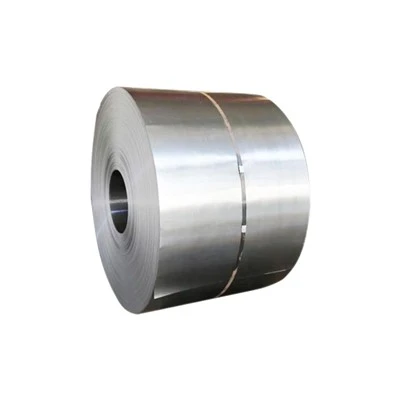
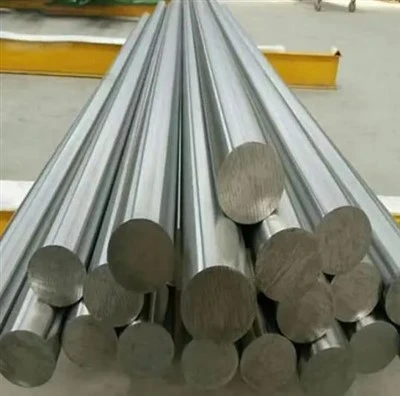
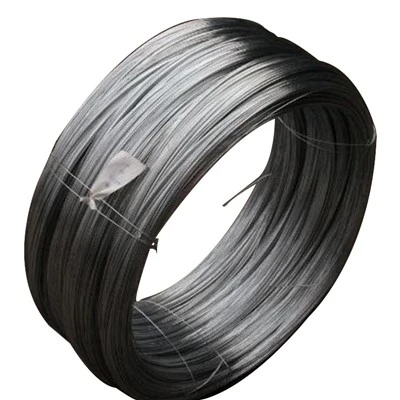
Carbon steel profiles are widely used in various industries due to their excellent mechanical properties, affordability, and ease of fabrication. As a carbon steel profiles supplier, I often receive inquiries about the suitability of our products for magnetic applications. In this blog post, I will explore the magnetic properties of carbon steel profiles and discuss whether they can be used in magnetic applications.
Magnetic Properties of Carbon Steel
Carbon steel is an alloy primarily composed of iron and carbon, with small amounts of other elements such as manganese, silicon, and sulfur. Iron is a ferromagnetic material, which means it can be magnetized and exhibits strong magnetic properties. The magnetic behavior of carbon steel is mainly determined by the iron content and the microstructure of the material.
In general, carbon steel profiles have good magnetic properties. The presence of iron in the alloy allows them to be easily magnetized when exposed to a magnetic field. The magnetic strength of carbon steel depends on several factors, including the carbon content, the heat treatment process, and the presence of other alloying elements.
- Carbon Content: The carbon content in carbon steel affects its magnetic properties. Low-carbon steels (less than 0.3% carbon) typically have better magnetic properties compared to high-carbon steels. This is because high-carbon steels tend to form carbides, which can disrupt the magnetic domains in the material and reduce its magnetic permeability.
- Heat Treatment: Heat treatment processes such as annealing, quenching, and tempering can significantly affect the magnetic properties of carbon steel. Annealing, for example, can improve the magnetic properties by reducing the internal stress and refining the microstructure of the material. Quenching and tempering, on the other hand, can increase the hardness and strength of the steel but may also reduce its magnetic permeability.
- Alloying Elements: The addition of other alloying elements to carbon steel can also influence its magnetic properties. Some elements, such as nickel and cobalt, can enhance the magnetic properties of carbon steel, while others, such as chromium and manganese, can have a negative effect on the magnetic behavior.
Applications of Carbon Steel Profiles in Magnetic Fields
Due to their good magnetic properties, carbon steel profiles can be used in a variety of magnetic applications. Here are some common examples:
- Electrical Transformers: Carbon steel cores are widely used in electrical transformers to provide a path for the magnetic flux. The high magnetic permeability of carbon steel allows for efficient transfer of electrical energy between the primary and secondary windings of the transformer.
- Electric Motors: Carbon steel laminations are used in the stator and rotor cores of electric motors to reduce eddy current losses and improve the efficiency of the motor. The magnetic properties of carbon steel help to generate the magnetic field required for the rotation of the motor.
- Magnetic Separators: Carbon steel profiles can be used in magnetic separators to separate magnetic materials from non-magnetic materials. The magnetic field generated by the carbon steel attracts the magnetic particles, allowing them to be separated from the rest of the material.
- Magnetic Sensors: Carbon steel can be used in magnetic sensors to detect changes in the magnetic field. The magnetic properties of carbon steel make it suitable for applications such as proximity sensors, position sensors, and speed sensors.
Types of Carbon Steel Profiles for Magnetic Applications
As a carbon steel profiles supplier, we offer a wide range of products that are suitable for magnetic applications. Here are some of the popular types of carbon steel profiles:
- A36 Carbon Steel Channel: A36 is a low-carbon steel with good magnetic properties and excellent weldability. It is commonly used in structural applications and can also be used in magnetic applications where a relatively low magnetic field strength is required.
- Q235 Carbon Steel H Beam: Q235 is a widely used carbon steel with moderate strength and good magnetic properties. The H-beam shape provides high structural integrity and is suitable for use in magnetic applications such as electrical transformers and electric motors.
- Q275 Carbon Steel Angle: Q275 is a medium-carbon steel with higher strength compared to Q235. It has good magnetic properties and is often used in applications where a stronger magnetic field is required, such as magnetic separators and magnetic sensors.
Considerations for Using Carbon Steel Profiles in Magnetic Applications
While carbon steel profiles have good magnetic properties, there are some considerations to keep in mind when using them in magnetic applications:
- Magnetic Saturation: Carbon steel has a limited magnetic saturation point, which means that it can only be magnetized up to a certain level. If the magnetic field strength exceeds the saturation point, the magnetic properties of the carbon steel will start to degrade. Therefore, it is important to ensure that the magnetic field strength in the application is within the acceptable range for the carbon steel profile.
- Eddy Current Losses: Eddy currents can be induced in carbon steel profiles when they are exposed to a changing magnetic field. These eddy currents can cause energy losses and heating of the material. To minimize eddy current losses, carbon steel laminations are often used in applications such as electrical transformers and electric motors.
- Corrosion Resistance: Carbon steel is prone to corrosion, especially in humid or corrosive environments. Corrosion can affect the magnetic properties of the carbon steel and reduce its performance in magnetic applications. Therefore, it is important to protect the carbon steel profiles from corrosion by applying appropriate coatings or using corrosion-resistant alloys.
Conclusion
In conclusion, carbon steel profiles can be used in magnetic applications due to their good magnetic properties. The magnetic behavior of carbon steel is mainly determined by the iron content, carbon content, heat treatment process, and the presence of other alloying elements. Carbon steel profiles are widely used in electrical transformers, electric motors, magnetic separators, and magnetic sensors. As a carbon steel profiles supplier, we offer a variety of products that are suitable for magnetic applications, including A36 Carbon Steel Channel, Q235 Carbon Steel H Beam, and Q275 Carbon Steel Angle. However, it is important to consider factors such as magnetic saturation, eddy current losses, and corrosion resistance when using carbon steel profiles in magnetic applications.


If you are interested in using carbon steel profiles for your magnetic applications, please feel free to contact us. Our team of experts can provide you with detailed information and technical support to help you select the right products for your specific needs. We look forward to discussing your requirements and working with you on your next project.
References
- ASM Handbook, Volume 1: Properties and Selection: Irons, Steels, and High-Performance Alloys. ASM International.
- Steel Design Guide Series 1: Design of Welded Structures. American Institute of Steel Construction.
- Magnetic Materials and Their Applications. B. D. Cullity and C. D. Graham. Wiley-VCH.