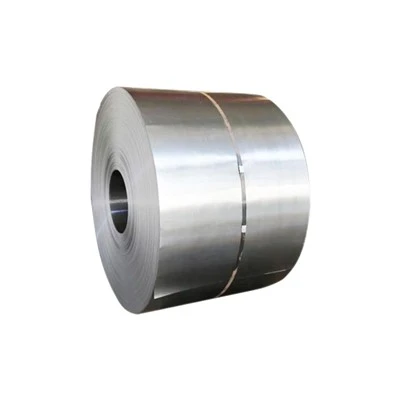
As a supplier of stainless steel coils, I often encounter inquiries about the special requirements for the storage temperature of these coils. Stainless steel coils are widely used in various industries due to their excellent corrosion resistance, high strength, and aesthetic appeal. However, proper storage conditions, including the right temperature, are crucial to maintain their quality and performance.


General Considerations for Storage Temperature
Stainless steel is a durable material, but it is still susceptible to certain environmental factors. Temperature plays a significant role in the storage of stainless steel coils. Generally, stainless steel coils should be stored in a dry and well - ventilated environment. The ideal storage temperature range for most stainless steel coils is between 0°C and 40°C (32°F and 104°F).
In this temperature range, the physical and chemical properties of stainless steel remain relatively stable. Low temperatures can cause the material to become more brittle, increasing the risk of cracking during handling or processing. On the other hand, high temperatures can accelerate oxidation and corrosion processes, especially in the presence of moisture and contaminants.
Impact of Low Temperatures
When stainless steel coils are stored at extremely low temperatures, the material's ductility decreases. This means that the coils become less flexible and more prone to damage. For example, if a coil is bent or cut at a very low temperature, it may crack or break. Additionally, low temperatures can cause the formation of ice or frost on the surface of the coils, which can lead to corrosion when the temperature rises and the ice melts.
Impact of High Temperatures
High temperatures can have a more complex impact on stainless steel coils. At elevated temperatures, the rate of oxidation increases. Oxidation can lead to the formation of a layer of rust on the surface of the coil, which not only affects its appearance but also reduces its corrosion resistance. Moreover, high temperatures can cause the material to undergo thermal expansion. If the coils are not stored in a way that allows for expansion, internal stresses can build up, leading to deformation or warping.
Special Requirements for Different Types of Stainless Steel Coils
347 Stainless Steel Coil
347 Stainless Steel Coil contains niobium, which provides excellent resistance to intergranular corrosion at high temperatures. However, it is still important to store it within the recommended temperature range. For 347 stainless steel coils, the storage temperature should be carefully controlled to prevent excessive oxidation. If stored at temperatures above 40°C for an extended period, the risk of surface discoloration and reduced corrosion resistance increases.
316 Stainless Steel Coil
316 Stainless Steel Coil is known for its high corrosion resistance, especially in marine environments. It contains molybdenum, which enhances its resistance to pitting and crevice corrosion. When storing 316 stainless steel coils, the temperature should be kept within the normal range. High temperatures can cause the molybdenum to react with other elements in the alloy, potentially reducing its corrosion - resistant properties.
2B Stainless Steel Coil
2B Stainless Steel Coil has a smooth, reflective surface finish. This type of coil is often used in applications where appearance is important. Storage at the right temperature is crucial to maintain the surface quality. High temperatures can cause the surface to become dull or develop stains, while low temperatures can make the coil more difficult to process.
Monitoring and Controlling Storage Temperature
To ensure the proper storage of stainless steel coils, it is essential to monitor and control the temperature in the storage area. This can be achieved through the use of temperature sensors and climate - control systems. Regular inspections should be carried out to check for any signs of damage or deterioration caused by temperature variations.
Conclusion
In conclusion, there are indeed special requirements for the storage temperature of stainless steel coils. Maintaining the right temperature is essential to preserve the quality, performance, and appearance of the coils. As a stainless steel coil supplier, we are committed to providing our customers with high - quality products and ensuring that they are stored under the best possible conditions.
If you are interested in purchasing stainless steel coils or have any questions about their storage and handling, please feel free to contact us for further discussion. We look forward to working with you to meet your stainless steel coil needs.
References
- ASM Handbook, Volume 13A: Corrosion: Fundamentals, Testing, and Protection.
- Stainless Steel Handbook, by The Nickel Institute.