If you're in the market for stainless steel coils (I see you 👋), you've probably wondered at some point: is this stuff actually eco-friendly, or is there a hidden environmental cost to all those shiny coils I'm selling? Let's cut through the corporate jargon and get real about the environmental impacts of stainless steel coil production-because honesty matters when you're choosing materials for your projects.
First off, I need to be clear: stainless steel isn't some "zero-impact" magic metal. It's made from raw materials, processed with energy, and generates waste at every step. But here's the good news: compared to a lot of other metals out there, stainless steel's environmental track record isn't half bad-once you look past the factory floor. Let's break down the process, the hits, the misses, and how we as suppliers are working to make it better.
The Raw Material Phase: Digging Up the (Not-So-Great) Stuff
Stainless steel is mostly iron, but it gets its signature rust resistance from at least 10.5% chromium, plus nickel (most grades) and sometimes other elements like molybdenum or nitrogen. So first, we have to mine three key materials: iron ore, chromium ore, and nickel sulfide or laterite ore.
Iron mining is no joke. Open-pit mines leave huge holes in the ground, clear forests, and mess up local ecosystems. Underground mining can cause sinkholes and contaminate groundwater with heavy metals like lead or arsenic. Chromium mining is even trickier-some processes release hexavalent chromium, a toxic stuff that's linked to lung and skin issues, plus it's a big water pollutant. Nickel mining has its own problems too: laterite mines in places like Indonesia and the Philippines often clear rainforests, disrupting biodiversity and threatening indigenous communities.
But wait-there's a flip side here. Stainless steel is super recyclable. In fact, I think the global recycling rate for stainless steel is around 70%? Yeah, that's way higher than aluminum (which is like 50%) or copper (closer to 40%). A lot of the raw materials in new coils come from recycled scrap, not just virgin ore. For example, when we make our 304 Stainless Steel Coil (that's the most common grade we sell, used for everything from kitchen equipment to construction), a lot of its iron and nickel comes from old appliances, car parts, or construction scrap. That cuts down on the need for new mining, which is a huge win. If you want to learn more about how different grades are sourced, check out our pages for 316 Stainless Steel Coil (great for marine environments, by the way) or 347 Stainless Steel Coil-those are made with similar recycled material rates, too.
Processing It Into Coils: The Energy and Emissions Part
Once we have the raw materials, we melt them down in a furnace. Most stainless steel production uses either an electric arc furnace (EAF) or a basic oxygen furnace (BOF). EAFs are better for recycling, since they run on electricity and use 90% recycled scrap, which is what most modern stainless steel plants use. BOFs are more for virgin material, and they're less energy-efficient because they need high temperatures to melt new ore.
Energy use is the biggest environmental hit here. Melting stainless steel requires a ton of heat-around 1,600°C (2,900°F)-and most of that energy still comes from fossil fuels, especially in parts of the world where coal is the main power source. That means CO2 emissions. Wait, but EAFs that run on renewable energy (like wind or solar) have way lower emissions. At our supplier's facilities, we're working to switch more of our EAF power to renewable sources, which is a big priority for us.
Then there's the finishing process, which is what turns molten steel into the thin, flexible coils you see us selling. After melting, the steel is cast into big slabs, then hot rolled into thick coils, then cold rolled to make them thinner and smoother. For some grades, we do surface treatments like pickling (using acids like nitric and hydrofluoric) to remove scale from the hot rolling process. That's another part that can pollute if not handled right-if acid runoff gets into rivers, it messes with pH levels and kills aquatic life.
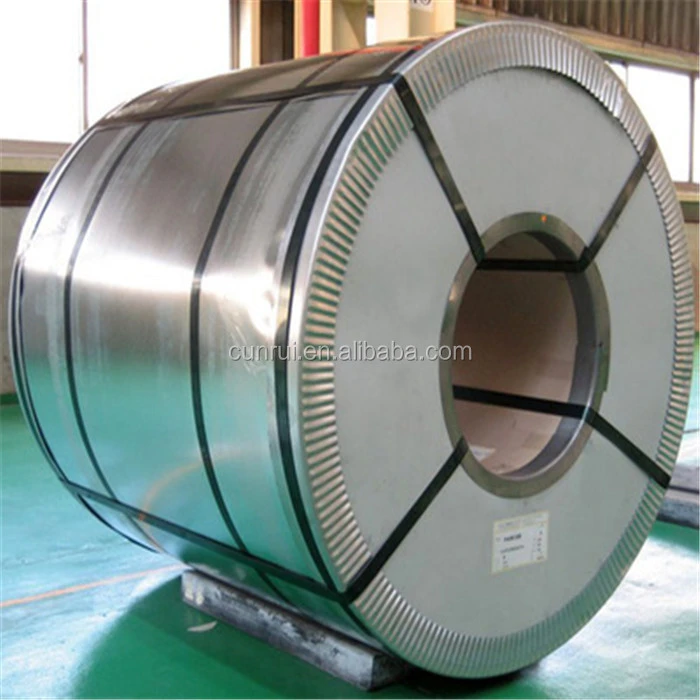

But here's where our A240 Stainless Steel Coil comes in handy. A240 is a specification for stainless steel plate and coil that includes grades like 304 and 316, and a lot of manufacturers use more efficient finishing processes for A240 because it's so widely used. We've partnered with plants that've installed acid recovery systems, which reuse 95% of the pickling acids instead of dumping them. That cuts down on water pollution a lot. And our No.1 Stainless Steel Coil-that's the hot-rolled, pickled finish, right? Those coils use less cold rolling, so they require less energy for that step too. Cool, right?
Waste and Byproducts: The Stuff We Don't Talk About Enough
Making stainless steel generates a lot of waste, but most of it's not just thrown away. Slag is one of the biggest byproducts-when you melt iron ore, the impurities form a glassy slag that can be used in road construction, cement, or even fertilizer. That's a big reuse win. The pickling acids I mentioned earlier, when neutralized, can be used to make salt or other industrial chemicals instead of going to landfill.
But there's still waste that's hard to avoid. Like dust from the furnaces, which can have heavy metals, and sludge from water treatment, which has small amounts of chromium or nickel. Good plants filter that dust and treat the sludge to remove toxic metals before disposing of it in lined landfills. Bad plants? They skip those steps, and that's when you get environmental issues. I'd never work with a supplier that cuts corners on that, and neither should you.
Another thing: water use. Stainless steel production uses a lot of water for cooling, pickling, and cleaning. Modern plants recycle up to 95% of their water, but older or cheaper operations might use more freshwater and dump it back into rivers warmer or with chemicals, which messes with aquatic ecosystems. Again, that's why we only source coils from plants with strict water management rules-we check that stuff before we even add a product to our catalog.
Long-Term: Stainless Steel's Eco Superpower (Yes, It Exists)
Here's the part that a lot of people miss when they only talk about production impacts: stainless steel's durability. A stainless steel coil can last decades-even centuries-if it's used in the right application. That means it doesn't need to be replaced as often as, say, regular carbon steel, which rusts and falls apart in 10 or 20 years. When it does reach the end of its life, it's almost 100% recyclable, with no loss in quality. You can melt it down and make new coils over and over, forever, basically.
Compare that to plastic, which takes hundreds of years to break down, or even aluminum, which needs a lot more energy to recycle than stainless steel. That longevity is a huge environmental win that offsets a lot of the production impacts. For example, if you use our 316 Stainless Steel Coil for a marine dock-saltwater is brutal on metals, right?-that coil will last 50 years or more, instead of a cheaper metal that you have to replace every 10 years. That means way less waste overall, even if the factory that made the coil had some emissions.
What We're Doing Better (Because No One's Perfect)
I don't want to paint a rosy picture here-stainless steel production isn't perfect. But as a supplier, we're actively working to reduce the environmental footprint of the coils we sell. We've switched most of our stock to EAF-made coils, which use way less scrap and lower energy than BOF. We only work with plants that have ISO 14001 certification, which means they have strict environmental management systems. And we're investing in local take-back programs-when our customers are done with their stainless steel coils, we help them recycle it for free, instead of letting it go to landfill.
We also educate our customers on choosing the right grade for the job, so they don't overbuy (which leads to waste) or use a grade that's too high-performance for their needs (wasting raw materials). For example, if you're making a food container, 304 Stainless Steel Coil is perfect-no need to splurge on more expensive 316. For marine equipment, though, 316 is worth the extra cost because it lasts way longer, so you don't have to replace it as often. That's just common sense, right?
Time to Talk to Us
At the end of the day, every material has an environmental impact. The key is understanding what those impacts are, choosing materials that minimize harm, and working with suppliers that are transparent about their processes. We're proud to sell stainless steel coils that are high-quality, durable, and made with as little environmental harm as possible. Whether you need A240 Stainless Steel Coil for a construction project, No.1 Stainless Steel Coil for industrial use, or any other grade, we've got you covered.
If you're ready to order or just have questions about our products or our sustainability practices, hit us up-we're here to help you find the right stainless steel solution for your project, and make sure you're making an eco-smart choice too.
References
- International Stainless Steel Forum. (2023). Stainless Steel Recycling Facts. Retrieved from issf.com
- World Steel Association. (2022). Steel Production and Environmental Impacts. Retrieved from worldsteel.org
- U.S. Environmental Protection Agency. (2021). Metals Mining and Processing: Environmental Impacts. Retrieved from epa.gov
- European Stainless Steel Development Association. (2023). Sustainable Production of Stainless Steel. Retrieved from euroinox.org