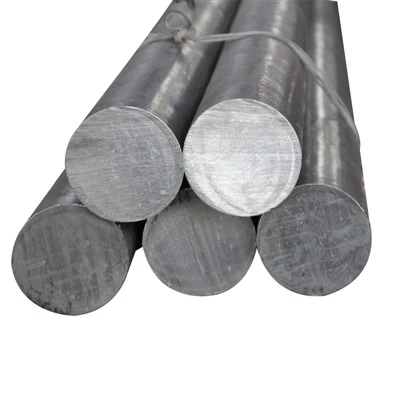
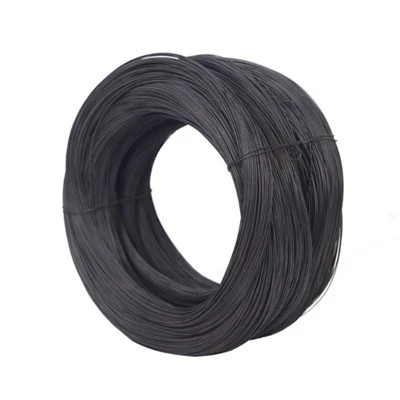
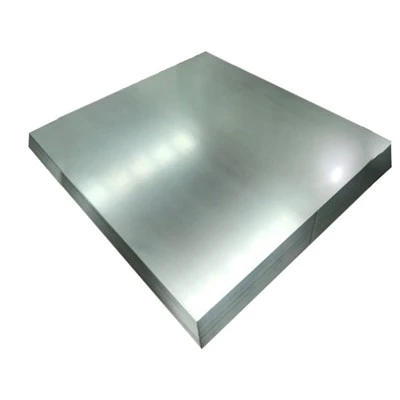
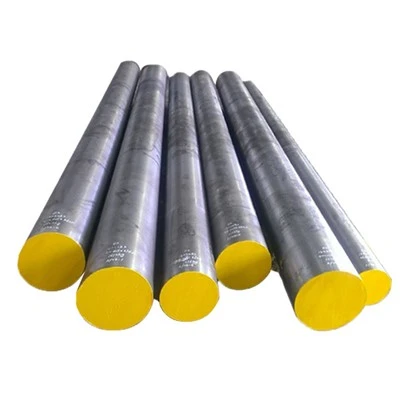
If you've ever walked past a skyscraper, crossed a highway overpass, or even stepped into a bridge parking garage, you might not realize one small but critical component is holding those structures together and keeping them flexible: spring steel bars. As a supplier who's spent years dealing with this stuff (I know, not the most flashy job, but hear me out), I've seen firsthand how this material isn't just for car suspensions or mattress coils-it's a game-changer in construction that most people don't even think about. Let's break down exactly where spring steel bars show up in building sites, why they work so well, and which specific grades I keep recommending to contractors who've dealt with flimsy, failing materials in the past.
First, let's get one thing straight: spring steel is different from regular carbon steel or rebar you see holding concrete floors down. It's engineered to be super elastic-meaning it can bend, stretch, or compress a lot, then bounce right back to its original shape without any permanent damage. That's the key trait that makes it a construction workhorse. Regular steel will get bent out of shape if you push it too far, but spring steel? It takes repeated stress, shock, and even extreme temperature swings like a champ. Let's start with the big one most people notice: seismic-resistant structures. If you live in California, Japan, or any place prone to earthquakes, you've seen buildings with those rubber-and-steel base isolators under their foundations. Guess what the steel part of those isolators is usually made of? Yep, spring steel bars. Here's why: when an earthquake hits, the ground shakes violently, and a regular steel foundation would transfer that whole jolt straight up into the building, causing cracks, broken beams, or even collapse. But spring steel acts like a shock absorber- it flexes with the ground movement, dissipating energy instead of letting it tear through the structure. I've supplied 55SiMnVB Spring Steel Bar to a few projects in the Pacific Northwest lately, and contractors love it because it has higher tensile strength than standard spring steel-like, it can handle 1,600 MPa before snapping, which is way more than regular construction steel. That means it doesn't bend too much even during the biggest quakes, so the building stays stable instead of swaying uncontrollably.
Next up: bridge components. Bridges have to deal with constant, repetitive stress-cars and trucks rolling over them thousands of times a day, expanding in the summer heat, contracting in the winter cold. If the steel holding a bridge's deck or supports isn't flexible, it'll crack within a few years. I had a chat with a bridge engineer last year who told me his team switched from regular rebar to spring steel bars for the bridge's expansion joints, and they haven't had to do a single repair in three years-whereas before, they were patching gaps every year. Expansion joints are the small gaps between bridge sections that let the steel move without pulling apart, and spring steel is perfect here because it can compress and extend to fill that gap year after year. We also supply 5160 Alloy Spring Steel Bar for the bridge's hanger rods too, which hold up the main cables of suspension bridges. Those rods have to support tons of weight, vibrate nonstop from traffic, and resist rust from road salt and rain. 5160 is a high-carbon alloy with chromium added, so it's extra tough against corrosion and fatigue-way better than the old carbon steel rods they used to use. That engineer said the 5160 rods are cutting their maintenance costs by almost 40%, which is huge for a project that's supposed to last 75 years minimum.
Don't sleep on precast concrete either. Precast panels are the big concrete slabs you see at construction sites that get lifted into place to make walls, floors, or even whole building sections. They're way faster to install than pouring concrete on-site, but they have a downside: if they're not reinforced right, they can crack when they're being lifted or transported. That's where spring steel bars come in. When manufacturers cast precast panels, they embed thin spring steel bars (sometimes called "stressing bars") inside the concrete. Before the concrete fully cures, they pull the bars tight-this is called "prestressing"-and once the concrete hardens, the spring steel stays stretched, putting the concrete under constant compression. That might sound backwards, but it's genius: concrete is great at holding up compression, but terrible at handling tension (which is what happens when you step on a concrete slab- the top stretches, the bottom squeezes). By pre-stretching the spring steel bars, you counteract that tension, so the precast panel won't crack under weight. I've sent 1095 Spring Steel Bar to a precast plant in Texas that makes panels for apartment buildings. They switched from plain carbon steel to 1095 (which is a high-carbon spring steel, super elastic and strong) because their old bars would slip under tension, making the panels crack during installation. Now they have a defect rate under 1%, which is unheard of for precast producers. Another bonus: prestressed concrete with spring steel is lighter than regular reinforced concrete, so it reduces the load on the building's foundation-big save for high-rises where every pound matters.
Then there's the stuff people don't see: tie rods for retaining walls and soil nails. Retaining walls hold back dirt on hillsides, whether it's for a highway ramp, a backyard, or a commercial building site. If the wall's not braced right, it can lean or collapse when heavy rain softens the soil. Spring steel tie rods are bolted through the wall and anchored deep into the soil, so they pull the wall tight against the earth. Why spring steel? Because the soil moves a little over time-especially during freeze-thaw cycles or heavy rains-so the tie rods need to stretch and adjust without breaking. Regular steel would snap under that repeated small movement, but spring steel just flexes and keeps holding the wall in place. I worked on a retaining wall project in Colorado a couple years ago that had to deal with annual freeze-thaw, and the contractor told me using spring steel tie rods meant they didn't have to add extra anchors like they originally planned. That saved them like $50k, which is a huge win for a mid-sized construction project.
Wait, I should also mention something more niche: industrial building floors. Factories, warehouses, and distribution centers have super heavy loads-forklifts driving back and forth 12 hours a day, pallets stacked with thousands of pounds of goods. A regular concrete floor will develop cracks in a year or two from all that impact, but if you add a grid of spring steel bars during the pour, the floor can handle that wear for decades. The spring steel absorbs the shock of the forklift tires, so the concrete doesn't crack and spall (that's the ugly chipping you see on old warehouse floors). I recently supplied a 10,000-square-foot warehouse in Ohio with spring steel bars for the floor, and the owner said they're already getting compliments on how smooth the floor is-no patching needed, even after a year of 24/7 forklift use.
Now, I know what some of you are thinking: "Spring steel sounds great, but is it actually worth the extra cost compared to regular rebar?" Let's be real-spring steel is a bit pricier upfront, but the long-term savings are massive. Think about it: regular rebar might cost $0.50 per pound, while spring steel is $0.75 per pound. But if regular rebar has to be replaced in 10 years because of corrosion or fatigue, that's a whole new construction job, downtime for the building, and thousands in labor. Spring steel bars can last 50+ years with minimal maintenance. Plus, with stricter building codes now (thanks to more frequent extreme weather), contractors can't get away with using flimsy materials anymore. Local governments are requiring seismic upgrades, better bridge durability, and longer-lasting infrastructure, so spring steel isn't just a "nice-to-have" anymore-it's a requirement for a lot of projects.


As a supplier, I've learned that the key here is matching the right spring steel grade to the job. Like I said earlier, 55SiMnVB is my go-to for seismic base isolators because of its high tensile strength and flexibility. 5160 is perfect for bridge components because of its corrosion resistance-road salt and rain don't eat through it like regular steel. And 1095 works great for precast panels and warehouse floors because it's easy to work with for manufacturers, and it holds its tension really well once cured. I always tell contractors not to just grab whatever's cheapest-ask about the grade, and make sure it's designed for the stress it'll face. That's how you avoid costly repairs down the line.
Let me wrap this up: spring steel bars aren't just for auto parts or tiny household items anymore. They're a critical, behind-the-scenes material that makes our infrastructure safer, longer-lasting, and more resilient to the stuff nature (and traffic) throws at it. From skyscrapers that sway gently in earthquakes instead of collapsing, to bridges that don't need constant patching, to warehouse floors that hold up to 24/7 heavy use, this stuff does the heavy lifting (literally) that regular steel can't. If you're working on a construction project-whether it's a small retaining wall, a big bridge, or a multi-story apartment building-don't sleep on spring steel. It might seem like a small detail, but it could be the difference between a project that lasts a century and one that becomes a headache in a decade.
If you're a contractor, engineer, or project manager looking for high-quality spring steel bars tailored to your needs, feel free to reach out to discuss your specific requirements. We can help you pick the right grade for your project and make sure you get the material delivered on time, no delays.
References
- Steel Construction Institute. (2021). Spring Steel Applications in Modern Infrastructure. Retrieved from industry technical documentation on structural steel resilience.
- National Association of State Highway and Transportation Officials (NCHRP). (2020). Durable Steel Components for Bridge Design and Maintenance.
- Precast/Prestressed Concrete Institute (PCI). (2022). Prestressed Concrete Reinforcement Best Practices.
- International Code Council (ICC). (2023). Seismic Design Requirements for Building Structures.