If you've ever wandered through a kitchen, a construction site, or a automotive manufacturing plant, chances are you've interacted with stainless steel strip without even realizing it. As a supplier who's spent the last decade working with these thin, versatile steel coils, I can tell you that this material is far more than just a shiny, durable metal-it's the unsung backbone of countless industries, performing critical roles that keep everyday systems running smoothly. What makes stainless steel strip so indispensable, though, is not just its strength or corrosion resistance, but the sheer range of its applications, each tailored to the specific grade of stainless steel used. Let's break down where this material shines most, and why different grades matter for different jobs.
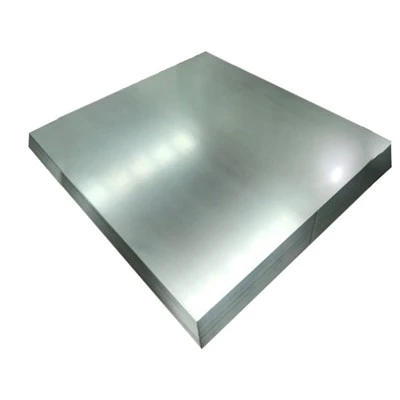
First, let's start with the basics for anyone new to the space: stainless steel strip is a flat, thin rolled product made from stainless steel alloys, with thicknesses usually ranging from a fraction of a millimeter to a few millimeters. Its narrow, uniform profile makes it ideal for forming into tight components that need consistency, precision, and long-term performance, no matter the environment. Unlike thicker stainless steel plates, strips can be easily cut, bent, stamped, or rolled into complex shapes without losing their structural integrity, which is why manufacturers across industries rely on them.
One of the most high-profile uses for stainless steel strip is in the automotive and transportation sector. Here, the material needs to withstand extreme temperatures, road salt, humidity, and constant mechanical stress-all while helping to improve fuel efficiency by reducing vehicle weight. For parts like exhaust systems, catalytic converters, and heat shields, heat resistance is non-negotiable. That's where grades like 309 Stainless Steel Strip come in. 309 is a chromium-nickel alloy engineered for extreme heat, withstanding temperatures up to 2,000°F (1,093°C) without warping or corroding. It's perfect for automotive exhaust components that sit close to high-pressure engines, where regular steel would quickly rust or break down. For smaller, lighter parts like trim, door handles, or interior fasteners, 410 Stainless Steel Strip is often the go-to. 410 is a martensitic stainless steel, meaning it can be heat-treated for extra hardness, making it ideal for small, strong parts that need to resist scratches and minor impacts. It's also more affordable than higher-nickel grades, which is a win for automotive manufacturers balancing performance and cost.
Moving from cars to the food and beverage industry, stainless steel strip's superpowers really come into play here. In this sector, hygiene is everything-any contamination from materials that rust or shed particles can ruin products or pose safety risks. Stainless steel's natural chromium oxide layer makes it highly corrosion-resistant and non-reactive, so it won't leach chemicals into food or beverages, even when exposed to acids, oils, or cleaning agents. Food processing equipment, from conveyor belts for fruit and vegetables to mixing tanks and valve seals, uses stainless steel strip for these exact reasons. Another big use here is in flexible hoses for dairy and beverage lines; the thin, pliable strip can be formed into corrugated hoses that are easy to clean, durable, and safe for repeated use with different food products. For applications that need extra heat resistance during food sterilization processes, 430 Stainless Steel Strip is often the choice. 430 is a ferritic stainless steel with less nickel than 300-series grades, making it cost-effective while still offering good corrosion resistance and heat tolerance, perfect for ovens, stovetop components, and commercial food processing equipment.
Next, let's talk about the energy industry-this is a sector that demands materials that can perform in harsh, unforgiving environments, from offshore oil rigs to solar power farms. For oil and gas applications, components like pipeline connectors, wellhead seals, and pressure vessels need to resist corrosion from saltwater, chemicals, and high pressures. Stainless steel strip is used here to form gaskets, spring components, and structural parts that hold up in extreme conditions without corroding. In renewable energy, stainless steel strip plays a key role in both solar and wind power. For solar panels, the thin frames that hold photovoltaic cells in place are often made from stainless steel strip, as they need to resist UV radiation, rain, and temperature fluctuations over decades. Wind turbine components, from the small fasteners that hold blades to the internal wiring housings, also rely on stainless steel strip for its strength and resistance to corrosion from wind, rain, and salt air in coastal locations. When it comes to energy applications that need to withstand even higher temperatures, like those found in power generation turbines or furnace components, 347 Stainless Steel Strip is the best option. 347 is stabilized with niobium, which makes it resistant to intergranular corrosion when exposed to high temperatures and welding heat-common issues in power plant operations. That means it won't degrade over time, even when used in the hottest parts of a turbine, leading to longer equipment lifespans and less downtime.
The construction and architectural industry is another area where stainless steel strip is a staple. Here, appearance and durability go hand in hand. Architectural trim, facade panels, handrails, and even decorative elements use stainless steel strip because it doesn't need regular painting or maintenance to look good for decades. It can be polished to a high shine for a modern, sleek look, or brushed for a more subtle, industrial finish. In coastal construction, where salt air would cause most steel to rust quickly, stainless steel strip is used for structural components that need to resist corrosion. It's also used in roofing and flashing, as its thin profile makes it easy to install, and it can be bent into custom shapes to fit the unique design of any building. Unlike painted metals that can chip or peel, stainless steel's natural finish holds up to weather, UV light, and time, making it a cost-effective choice for commercial and residential projects alike.
Another less obvious but equally critical application for stainless steel strip is in the electronics and medical device industries. In electronics, manufacturers use thin stainless steel strip to form components like shielding for circuit boards, connectors, and flexible screens. The material's conductivity, durability, and resistance to heat make it perfect for protecting sensitive electronics from interference and physical damage. For medical devices, stainless steel strip is used in everything from surgical instruments to implantable devices. Surgical tools need to be sharp, strong, and easy to sterilize, and stainless steel's corrosion resistance means it can withstand repeated autoclaving (high-temperature steam sterilization) without rusting or degrading. Implantable devices, like pacemaker components or surgical mesh, also use stainless steel strip because it's biocompatible-it doesn't react with the human body, reducing the risk of rejection or infection. The precise, uniform profile of stainless steel strip makes it ideal for forming tiny, complex medical parts that need to fit perfectly and perform reliably for years.
Now, why does the grade of stainless steel strip matter so much for these applications? As I mentioned earlier, different grades have different alloy compositions-chromium, nickel, molybdenum, and other elements are added in varying amounts to give each grade specific properties. For example, a grade used for medical devices needs to be highly biocompatible, so we'd use a grade with low carbon and high purity, like 316L, while a grade used for high-temperature furnace parts needs the niobium stabilization of 347. As a supplier, we spend time understanding each client's specific needs-what temperature will the part be exposed to? Will it come into contact with food, chemicals, or the human body? Does it need to be lightweight or extra strong?-to recommend the right stainless steel strip grade, whether that's heat-resistant 309, corrosion-resistant 430, high-temperature 347, or hardness 410.

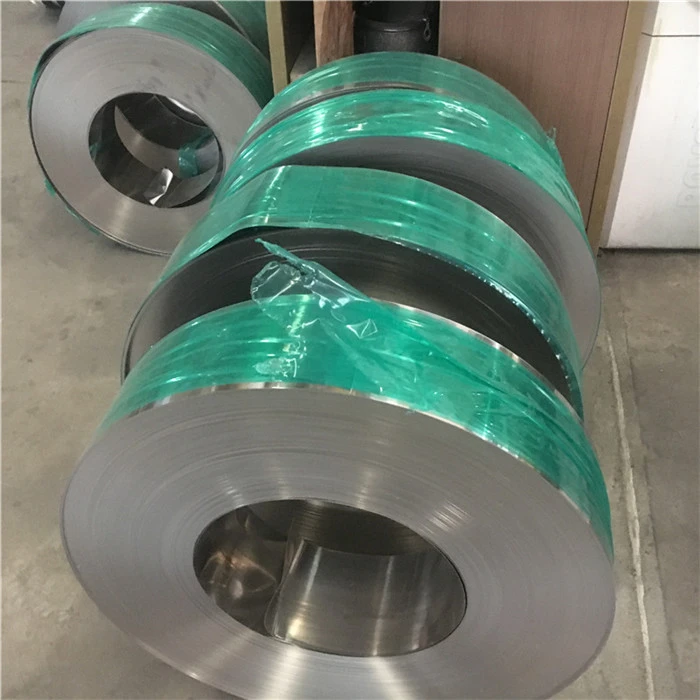
Over the years, I've seen how choosing the wrong stainless steel strip grade can lead to big problems for clients. A few years back, a small automotive repair shop came to us looking for exhaust components, and they had used a generic steel strip before that rusted through in just six months. We recommended 309 stainless steel strip, and they reported that their exhausts now last five times longer, saving their customers money and the shop repeat business. Another time, a food processing company was having issues with their conveyor belts-they were rusting and contaminating their product-so we supplied them with 430 stainless steel strip, which eliminated the corrosion and cut their maintenance costs in half. These stories are why I love what I do: it's not just about selling metal, it's about helping clients find a solution that works for their specific challenges.
As industries continue to evolve, the demand for stainless steel strip will only grow. From electric vehicle components that need to be lightweight and durable to renewable energy infrastructure that needs to last 20+ years, this material is at the center of innovation. Whether you're designing a new kitchen appliance, building a skyscraper, or manufacturing medical devices, there's a stainless steel strip grade that's tailored to your needs.
If you're in the market for stainless steel strip for your next project, whether large or small, we're here to help. Our team has decades of experience working with all the key grades, from 347 to 430, 309, and 410, and we can help you select the right material for your application, provide custom cutting or rolling services, and support you every step of the way. Don't hesitate to reach out to our team to discuss your requirements, get a quote, or learn more about how stainless steel strip can improve your products and operations.
References
- ASM International. (2019). Stainless Steel: Grades and Applications. Materials Park, OH: ASM International.
- National Institute of Standards and Technology (NIST). (2021). Corrosion Resistance of Stainless Steels for Industrial Applications. Gaithersburg, MD: U.S. Department of Commerce.
- Automotive Industries Association. (2022). Materials Selection for Modern Electric Vehicle Exhaust Systems. Detroit, MI: AIA Press.
- Food and Drug Administration (FDA). (2020). Materials of Construction for Food Processing Equipment. Silver Spring, MD: U.S. Food and Drug Administration.
- Solar Energy Industries Association (SEIA). (2021). Materials Specification for Solar Panel Structural Components. Washington, D.C.: SEIA.
- International Organization for Standardization (ISO). (2018). ISO 15510: Stainless Steels – Chemical Composition. Geneva, Switzerland: ISO.