Stainless steel coil is a versatile and widely used material in various industries, from construction and automotive to food processing and medical equipment. As a stainless steel coil supplier, I've witnessed firsthand the importance of understanding the role of different alloying elements in stainless steel, especially nickel. Nickel plays a crucial role in enhancing the properties of stainless steel coils, making them suitable for a diverse range of applications. In this blog, I will delve into the significance of nickel in stainless steel coils, exploring its effects on corrosion resistance, mechanical properties, and more.
Corrosion Resistance
One of the primary reasons for adding nickel to stainless steel coils is to improve their corrosion resistance. Stainless steel, by definition, contains at least 10.5% chromium, which forms a passive oxide layer on the surface of the steel, protecting it from corrosion. However, in certain environments, such as those with high chloride concentrations or acidic conditions, the chromium oxide layer may not be sufficient to prevent corrosion. This is where nickel comes in.
Nickel enhances the stability of the passive oxide layer, making it more resistant to breakdown and corrosion. It also helps to reduce the susceptibility of stainless steel to pitting and crevice corrosion, which are common forms of localized corrosion. For example, in marine environments, where stainless steel is exposed to saltwater and high humidity, the addition of nickel can significantly improve the material's resistance to corrosion. This makes stainless steel coils containing nickel ideal for applications such as shipbuilding, offshore platforms, and coastal architecture.
Some of the popular stainless steel coil grades that contain nickel and offer excellent corrosion resistance include 316 Stainless Steel Coil and 304 Stainless Steel Coil. Grade 316 contains approximately 10-14% nickel, along with molybdenum, which further enhances its resistance to corrosion in chloride-rich environments. Grade 304, on the other hand, contains about 8-10.5% nickel and is widely used in a variety of applications, including food processing equipment, kitchen appliances, and architectural structures.
Mechanical Properties
In addition to improving corrosion resistance, nickel also has a significant impact on the mechanical properties of stainless steel coils. It enhances the strength, ductility, and toughness of the material, making it more suitable for applications that require high mechanical performance.
Nickel acts as an austenite stabilizer, which means it promotes the formation of austenite, a face-centered cubic crystal structure that is known for its excellent ductility and toughness. By increasing the amount of austenite in the stainless steel, nickel helps to improve the material's formability and weldability. This is particularly important in applications where stainless steel coils need to be fabricated into complex shapes or joined together using welding techniques.
For example, 321 Stainless Steel Coil contains titanium, which stabilizes the carbon in the steel and prevents it from forming chromium carbides during welding. This, combined with the presence of nickel, gives grade 321 excellent resistance to intergranular corrosion and good mechanical properties, making it suitable for applications in the aerospace, chemical processing, and nuclear industries.
Another example is 347 Stainless Steel Coil, which contains niobium to stabilize the carbon in the steel. Similar to grade 321, grade 347 offers good resistance to intergranular corrosion and excellent mechanical properties, making it a popular choice for high-temperature applications, such as furnace components and heat exchangers.
Thermal and Electrical Conductivity
Nickel also affects the thermal and electrical conductivity of stainless steel coils. Generally, as the nickel content in stainless steel increases, its thermal and electrical conductivity decreases. This is because nickel has a lower thermal and electrical conductivity compared to iron and chromium.
However, in some applications, a lower thermal and electrical conductivity can be advantageous. For example, in electrical resistance heating elements, stainless steel coils with a lower electrical conductivity are preferred because they can generate more heat when an electric current is passed through them. Similarly, in applications where heat insulation is required, stainless steel coils with a lower thermal conductivity can help to reduce heat transfer and improve energy efficiency.
Aesthetic Appeal
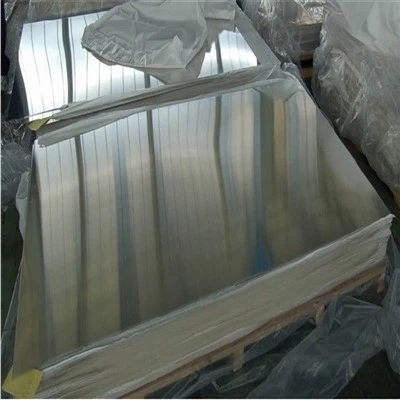
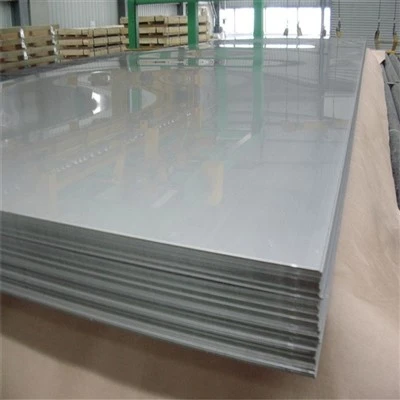
In addition to its functional properties, nickel can also enhance the aesthetic appeal of stainless steel coils. Stainless steel with a higher nickel content tends to have a brighter and more reflective surface finish, which can give it a more luxurious and modern appearance. This makes it a popular choice for architectural applications, such as building facades, interior design elements, and decorative trim.


For example, No.1 Stainless Steel Coil has a hot-rolled and annealed surface finish, which gives it a smooth and uniform appearance. The addition of nickel can further enhance the brightness and reflectivity of the surface, making it suitable for applications where aesthetics are important.
Conclusion
In conclusion, nickel plays a vital role in stainless steel coils, enhancing their corrosion resistance, mechanical properties, thermal and electrical conductivity, and aesthetic appeal. As a stainless steel coil supplier, I understand the importance of providing our customers with high-quality products that meet their specific requirements. Whether you need stainless steel coils for a marine application, a high-temperature environment, or a decorative project, we have a wide range of grades and finishes to choose from.
If you're interested in learning more about our stainless steel coil products or have any questions about the role of nickel in stainless steel, please feel free to contact us. Our team of experts is always ready to assist you in finding the right solution for your needs. Let's start a conversation and explore how our stainless steel coils can benefit your next project.