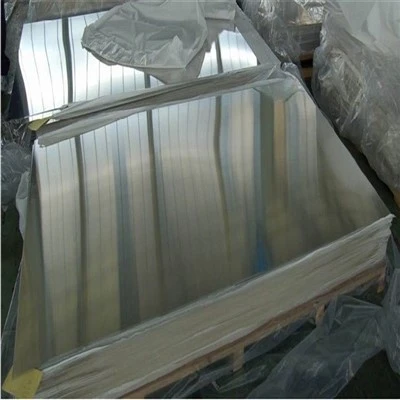
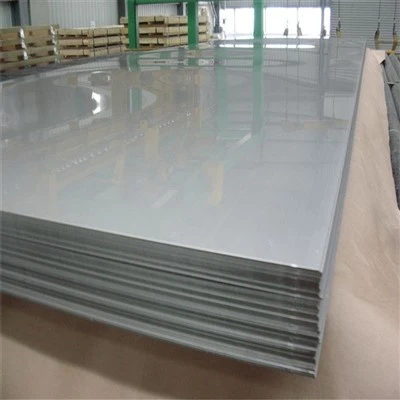
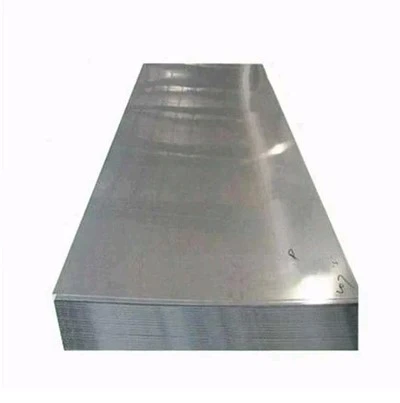
As a common metal material, carbon steel plate's appearance is crucial for industrial applications, quality assessment, and material identification. The appearance of carbon steel plate not only reflects its surface treatment but may also hint at its internal properties and processing history. This article systematically describes the typical appearance characteristics of carbon steel plate, including color, gloss, surface texture, and defect characteristics.
Color Characteristics
The color of carbon steel plate is primarily affected by the degree of surface oxidation, processing techniques, and environmental factors. Untreated carbon steel plate typically appears silvery gray or a metallic off-white due to the natural reflective properties of iron. When exposed to air, a thin film of iron oxide gradually forms on the surface, which can change color to pale yellow, brown, or even dark gray, depending on the thickness of the oxide layer. Hot-rolled carbon steel plate often exhibits a darker oxidation color due to the high-temperature processing, resulting in a surface appearance of bluish-black or reddish-brown. Cold-rolled carbon steel plate, however, exhibits a color closer to the original metallic luster due to the lower processing temperature.
Gloss
The gloss of carbon steel plate is closely related to its surface roughness and processing method. Hot-rolled carbon steel typically has a dull, low-gloss surface due to the high temperatures and oxidation during the rolling process, which form a layer of oxide scale. Cold-rolled carbon steel, through a precision rolling process, achieves a smoother surface with a high metallic luster, even approaching a mirror-like finish. Polished or plated carbon steel may exhibit increased reflectivity, while sandblasted or pickled steel may exhibit a matte or uniform matte finish.
Surface Texture
The surface texture of carbon steel is significantly affected by the rolling process. Hot-rolled steel often exhibits distinct milling streaks or a rough, grainy texture due to the microstructure formed by metal flow during high-temperature rolling. Cold-rolled steel, due to the high-precision rolling process at room temperature, has a finer, more uniform surface texture and a smoother feel. Some carbon steel may be embossed or etched for specialized applications, creating specific grain patterns such as anti-slip or decorative patterns. Furthermore, the rolling direction of the steel surface can also contribute to a certain directional texture.
Defects and Abnormal Characteristics
Appearance defects in carbon steel plates may affect their performance. Common abnormal characteristics include:
1.Scratches and Bumps: These are typically caused by mechanical contact during transportation or processing, and appear as linear or dot-shaped indentations.
2.Oxide Scale Spalling: The oxide layer on the surface of hot-rolled steel plates may partially flake off due to uneven cooling or external forces, exposing the underlying metal.
3.Rust Spots: Reddish-brown rust may appear if the steel plates are stored in a humid environment and have not been treated for rust.
4.Roller Marks and Indentations: Roller defects during rolling may leave periodic indentations on the steel plate surface.
5.Cracks and Porosity: Severe defects may appear as surface cracks or tiny holes, often related to problems with the metallurgical or rolling process.
Conclusion
The appearance of carbon steel plates is an important indicator of their quality, processability, and application suitability. By observing the color, gloss, surface texture, and defects, one can initially assess the steel plate's processing condition, protective properties, and potential problems. In practical applications, the appearance of carbon steel plates needs to be strictly inspected in combination with specific standards to ensure that they meet engineering or manufacturing requirements.