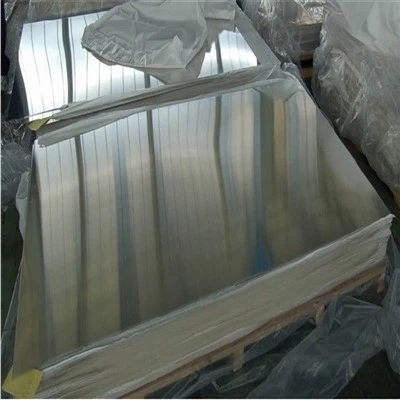
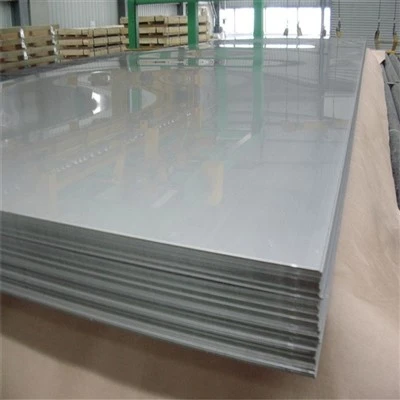
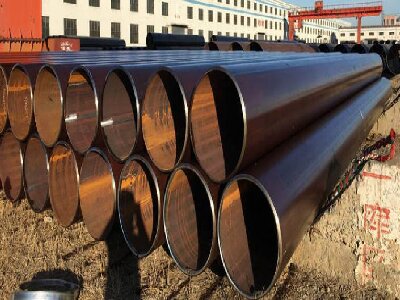
As a fundamental material in modern industry and construction, carbon steel profiles play a vital role in global economic development.Composed primarily of iron and carbon, they are processed through various processes into diverse cross-sectional shapes, such as I-beams, channels, angles, squares, and rounds. They are widely used in industries such as machinery manufacturing, construction, bridge engineering, vehicle production, and energy equipment.
Basic Characteristics of Carbon Steel Profiles
The core advantages of carbon steel profiles lie in their excellent mechanical properties and economic efficiency. Based on their carbon content, carbon steel can be divided into low-carbon steel (carbon content ≤ 0.25%), medium-carbon steel (carbon content 0.25%-0.6%), and high-carbon steel (carbon content > 0.6%). Low-carbon steels are the mainstream choice for profile production due to their excellent weldability, ductility, and moderate strength. High-carbon steel, on the other hand, is often used for specialized tools or high-load components due to its high hardness and wear resistance. Furthermore, carbon steel profiles are highly adaptable to processing. Through processes such as hot rolling, cold bending, and welding, they can be manufactured into standardized or customized cross-sections to meet the structural requirements of diverse scenarios. Their relatively low cost and readily available resources further solidify their dominant position in the materials market.
Main Application Areas
1. Construction Engineering
In building structures, carbon steel profiles are a core material for supporting frames. For example, I-beams and H-beams are commonly used in load-bearing columns and beams in high-rise buildings, where their high bending strength effectively supports vertical loads. Angle steel and channel steel are often used in steel structure connectors or lightweight supports, balancing stability and cost-effectiveness.
2. Machinery Manufacturing
Carbon steel profiles are fundamental components of machine tools, construction machinery, and general-purpose equipment. For example, square and round steel can be used as raw materials for drive shafts, gears, or molds. Heat treatment can enhance surface hardness and fatigue life. Cold-formed steel is widely used in housings or support structures for lightweight equipment.
3. Bridges and Transportation Facilities
The truss structures of long-span bridges typically utilize high-strength carbon steel profiles to reduce deadweight and improve wind and earthquake resistance. Railway tracks, automobile chassis, and ship frames also rely on the toughness and plasticity of carbon steel profiles to ensure long-term safety.
4. Energy and Industrial Equipment
Carbon steel profiles are key materials in power towers, oil pipeline supports, and chemical reactors due to their corrosion resistance (which can be enhanced through galvanizing or coating) and pressure-bearing capacity.
Production Processes and Technological Advances
Carbon steel profile production primarily relies on hot rolling, where steel billets are processed into specific cross-sections through high-temperature rolling. This method offers high production efficiency and low costs. In recent years, cold roll-forming technology has gained increasing popularity. Cold-bending steel strips through dies allows for the production of more complex, thin-walled sections, suitable for applications requiring high precision.
In addition, green manufacturing technologies are becoming an industry trend. For example, electric arc furnace steelmaking reduces carbon emissions, and the recycling rate of profile waste exceeds 90%, aligning with the concept of a circular economy. Some companies are also leveraging advanced technologies such as laser cutting and 3D printing to further expand the customized applications of carbon steel profiles.
Future Development Trends
With the global upgrade of infrastructure and the expansion of the new energy industry, demand for carbon steel profiles will continue to grow. Future development directions include:
1. High-performance: Improving the strength and toughness of profiles through microalloying (such as adding manganese and vanadium) or thermomechanical processing;
2. Lightweight design: Optimizing cross-sectional geometry to reduce material usage while ensuring load-bearing capacity;
3. Intelligent integration: Incorporating sensor-embedded technology enables profiles to incorporate structural health monitoring capabilities for applications in smart cities and other fields.
Conclusion
Carbon steel profiles remain an indispensable material in modern industry due to their comprehensive performance and cost advantages. Although emerging materials such as aluminum alloys and composites are competing in some of their markets, carbon steel's irreplaceable strength, workability, and affordability ensure its long-term, stable development prospects. In the future, through technological innovation and the promotion of sustainable production models, carbon steel profiles will further empower global infrastructure construction and high-end manufacturing.