If you work with industrial piping, pressure vessels or structural components subjected to cyclic loads - such as offshore risers, chemical process lines and heavy machinery parts - fatigue cracking from repeated stress can lead to costly and dangerous unexpected failure. As a duplex steel coil supplier serving energy, chemical and marine sectors, I often get asked how duplex performs in fatigue and why it outperforms conventional austenitic stainless steel like 304 and 316L.
Duplex stainless steel has a unique 50/50 austenite‑ferrite dual‑phase microstructure, unlike single‑phase standard stainless grades. This dual structure brings two core benefits for fatigue resistance: much higher yield strength (2–3 times that of 316L), which delays plastic deformation and crack initiation; and phase boundaries that slow crack spread once cracks start to form. Fatigue failure develops in three stages: crack initiation, propagation and final rupture, and duplex's microstructure suppresses this whole process effectively.
Fatigue performance varies significantly by grade, manufacturing process and surface condition.
- 2205 / S31803 standard duplex: The most common general‑purpose grade. Its fatigue limit in air reaches 250–300 MPa, while 316L only hits 150–200 MPa. It balances mechanical strength and corrosion resistance well for chemical piping and moderately loaded marine components.
- S32750 super duplex: Higher Cr, Mo and nitrogen content deliver outstanding pitting and crevice corrosion resistance. Its air fatigue limit is 300–350 MPa, and its saltwater corrosion‑fatigue performance is 20–30% better than 2205. It is the top pick for offshore oil & gas, subsea pipelines and desalination equipment.
- S32550 lean duplex: Lower alloy content means better cost efficiency. Its fatigue limit sits at 220–270 MPa, a solid upgrade over regular austenitic stainless steel for ordinary structural and agricultural equipment under cyclic loads.


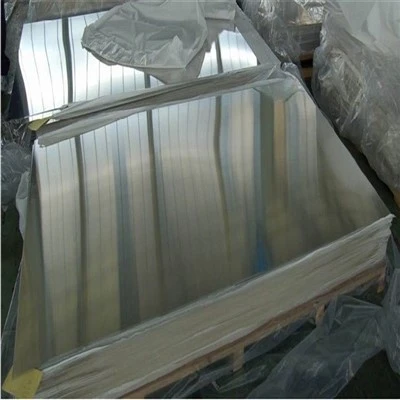
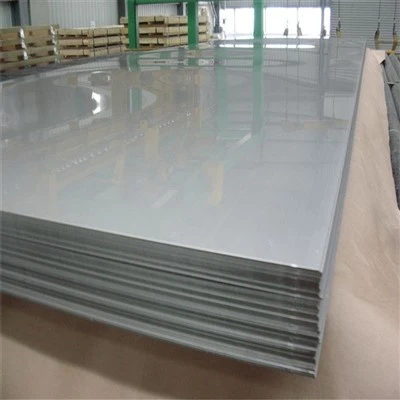
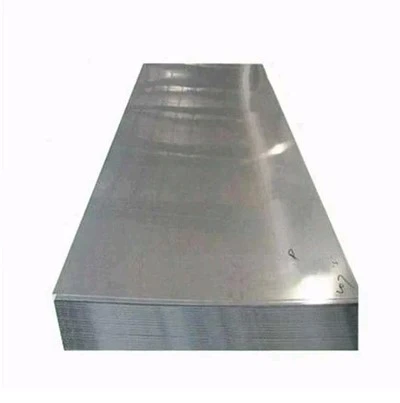
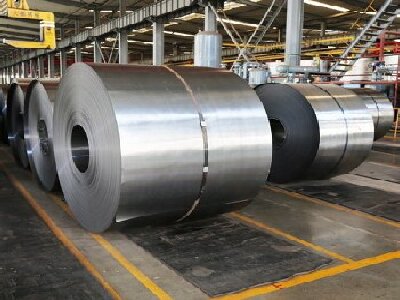
Processing and surface finish also make a measurable difference. Cold‑rolled duplex coil shows 10–15% better fatigue performance than hot‑rolled material, thanks to finer grain structure and fewer inherent surface defects. Smooth polished surfaces further reduce the chance of surface‑originated fatigue cracks.
We have seen clear results on live projects. One heavy‑duty equipment manufacturer previously used 316L for truck frames and faced a 10% failure rate within two years from cyclic loading on rough roads. After switching to 2205 duplex coil, the failure rate dropped below 1%. A desalination customer suffering from recurring 304 pipe failures caused by pressure cycling and salt corrosion adopted S32750 super duplex; five years on, there has been no fatigue‑related failure.
Duplex is not a universal solution. Its fatigue resistance declines rapidly above 300°C, as the two phases start to separate. It can still fail under excessively high dynamic stress if the grade or wall thickness is not properly specified for your operating conditions.
If your design involves repeated cyclic loading on piping, vessels, marine or structural parts, we can help you select the correct duplex grade, rolling process and surface finish to match your fatigue requirements, reduce downtime and control budget. Feel free to reach out for technical datasheets and tailored recommendations.