When it comes to industrial materials, stainless steel and alloy steel are two of the most commonly used types of metal. They may look similar at first glance, but their composition, performance, and applications are quite different. Understanding these differences can help you choose the right material for your project and avoid costly mistakes.
1. Composition Difference
The main difference starts with their chemical composition.
Stainless steel contains a minimum of 10.5% chromium, which forms a thin, invisible layer on the surface that prevents rust and corrosion. Some grades also include nickel, molybdenum, or titanium for added strength and durability.
Alloy steel, on the other hand, is carbon steel mixed with elements like manganese, silicon, nickel, or vanadium to improve toughness, strength, or wear resistance. However, its chromium content is usually below 10%, so it's not as corrosion-resistant as stainless steel.
2. Corrosion Resistance
If you need a material that resists rust, stainless steel is the better option.
Its protective chromium oxide film regenerates automatically when scratched, making it ideal for environments with moisture, chemicals, or salt.
Alloy steel, while stronger in some cases, usually requires surface coatings or regular maintenance to prevent rust.
3. Appearance and Surface Finish
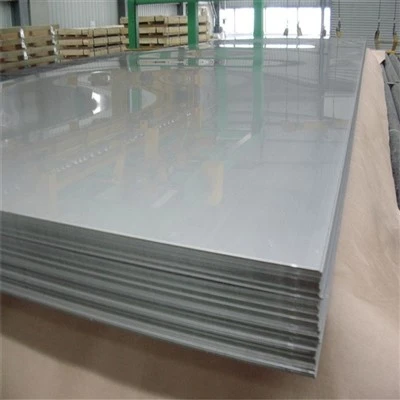
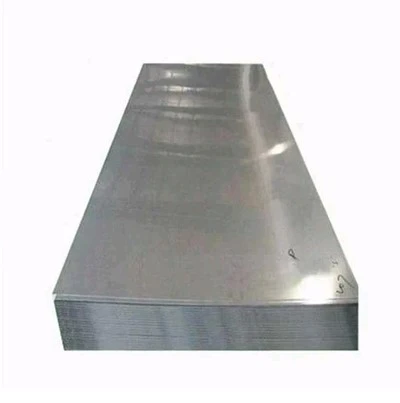
Visually, stainless steel often has a brighter and more reflective surface, especially after polishing.
Alloy steel tends to appear darker or duller, sometimes with a matte or slightly rough finish.
In workshops, a simple test is to place both under light - stainless steel usually shines more clearly.
4. Mechanical Properties
Alloy steel can be engineered for high strength and hardness, which makes it suitable for heavy-duty components like shafts, gears, and pipelines.
Stainless steel provides a balance between strength and corrosion resistance, ideal for kitchen equipment, chemical tanks, and marine fittings.
Choosing between the two depends on whether you prioritize durability or corrosion protection.
5. Applications Overview
Stainless Steel:Food industry, kitchenware, Chemical processing, Construction, Medical equipment.
Alloy Steel:Automotive components, Power plants and refineries, Oil & gas pipelines,Machinery and tools.
6. Price and Maintenance
Stainless steel is usually more expensive because of its higher chromium and nickel content.
Alloy steel is more economical, but often requires painting, coating, or galvanizing to prevent corrosion in outdoor use.
7. Simple Identification Tips
Here are a few easy ways to tell them apart:
Magnet Test: Many stainless steels are non-magnetic, while most alloy steels are magnetic.
Rust Test: Leave both materials exposed to air and moisture - stainless steel stays bright; alloy steel shows rust spots.
Spark Test: When grinding, stainless steel produces shorter, red sparks; alloy steel gives off bright, long yellow sparks.


Conclusion
Both stainless steel and alloy steel have their own strengths.
If your project requires resistance to corrosion and a clean appearance, stainless steel is your go-to choice.
If you need high mechanical strength and cost efficiency, alloy steel is more practical.
Knowing the difference helps ensure performance, longevity, and the right investment for your application.