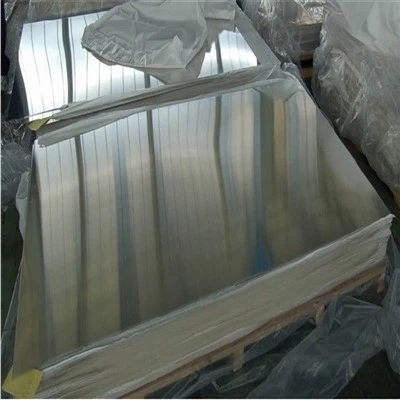
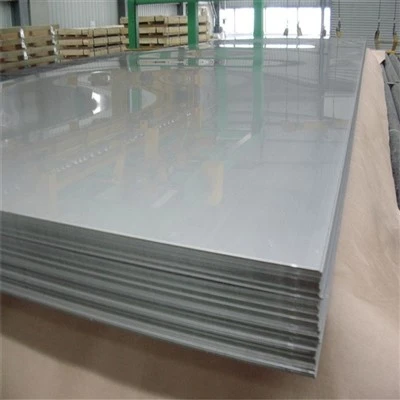
As one of the most widely used metal materials in modern industry, carbon steel profiles play an important role in the construction, machinery manufacturing, automotive, and other fields due to their excellent mechanical properties, good machinability, and cost-effectiveness.However, to fully realize the performance advantages of carbon steel profiles, technical processing during the processing is particularly critical. This article will discuss carbon steel profile processing techniques, covering core aspects such as cutting, welding, forming, and surface treatment, and explore how to improve product quality and production efficiency through process optimization.
Carbon Steel Profile Cutting Techniques
Carbon steel profiles can be cut in a variety of ways, including sawing, shearing, flame cutting, and laser cutting. Choosing the appropriate cutting method requires a comprehensive consideration of material thickness, precision requirements, and cost.
1. Sawing: Suitable for small and medium-sized carbon steel profiles, especially where high precision is required. High-speed steel saw blades or carbide saw blades can effectively reduce burrs and improve the cut surface finish.
2. Shearing: Suitable for thin-walled carbon steel profiles (typically less than 6mm thick). It offers high efficiency but is prone to edge deformation and may require subsequent straightening.
3. Flame Cutting: Suitable for thick plates (typically over 6mm). It offers low cost, but the heat-affected zone (HAZ) is large, which can lead to material hardening or deformation. Controlling the cutting speed and flame intensity is crucial.
4. Laser Cutting: The preferred method for high-precision machining, suitable for complex carbon steel profiles. It offers smooth cut edges and a small HAZ, but the equipment investment is relatively high.
Regardless of the cutting method, post-cut deburring is essential to avoid stress concentration during subsequent processing or assembly.
Welding Process Optimization
Carbon steel profiles have excellent weldability, but improper processing can easily lead to problems such as porosity, cracks, and deformation. Optimizing the welding process can be achieved through the following approaches:
1.Pre-weld Preparation: Ensure the welded area is clean, removing oil, rust, and oxide layers. Preheat the welded area if necessary (especially for thick plates or high-strength steel) to reduce welding stress and the risk of cold cracks. 2. Welding Method Selection:
•Manual Metal Arc Welding (SMAW): Widely applicable, but electrode type and current parameters must be adjusted according to the thickness of the base material.
•Massive Metal Arc Welding (GMAW/MIG/MAG): High welding efficiency, suitable for automated production, and particularly suitable for thin plates and delicate structures.
•Submerged Arc Welding (SAW): Suitable for thick plate welding, with deep penetration and consistent weld quality.
3. Post-Processing: After welding, appropriate heat treatment (such as annealing or normalizing) is required to eliminate residual stresses, and non-destructive testing (such as ultrasonic or X-ray testing) is performed on the weld to ensure quality.
Forming and Bending Processes
Carbon steel profiles can be formed using methods including cold bending, hot bending, and stamping, each suitable for different processing requirements:
1.Cold bending: Suitable for thinner, more ductile carbon steel profiles. No heating is required, but the bending radius must be controlled to prevent cracking. A bending radius of at least twice the material thickness is generally recommended.
2.Hot Bending: Suitable for thick plates or high-strength steel. This method reduces the material's yield strength through localized heating, facilitating forming. However, careful cooling methods must be used to avoid deformation or uneven hardness.
3.Stamping: Suitable for large-scale production. The mold design must consider the material's springback characteristics and, if necessary, perform springback compensation calculations.
Surface Treatment and Corrosion Prevention
Carbon steel profiles are susceptible to rust in humid or corrosive environments, making surface treatment crucial. Common methods include:
1.Sandblasting/Shot Peening: Improves surface roughness and enhances coating adhesion, often used as a pretreatment step before painting.
2.Electroplating or Hot-Dip Galvanizing: Provides long-term corrosion protection and is suitable for outdoor or highly corrosive environments.
3.Spraying or Painting: Enhances weather resistance through coating systems such as epoxy zinc-rich primers and polyurethane topcoats.
In addition, for short-term rust prevention, anti-rust oil or passivation can be used, but long-term protection still requires more stable surface treatment technologies.
Conclusion
The processing of carbon steel profiles involves multi-step technical control, from cutting and welding to forming and surface treatment. Each step must be optimized based on material properties and engineering requirements. Through appropriate process selection and parameter adjustment, not only can processing efficiency be improved, but the mechanical properties and service life of the product can also be significantly enhanced. In the future, with the development of intelligent manufacturing and automation technologies, carbon steel profile processing will further advance towards high precision and low energy consumption.