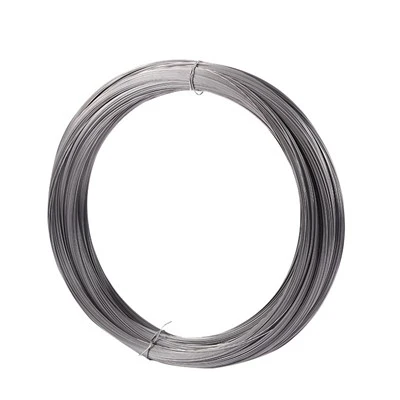
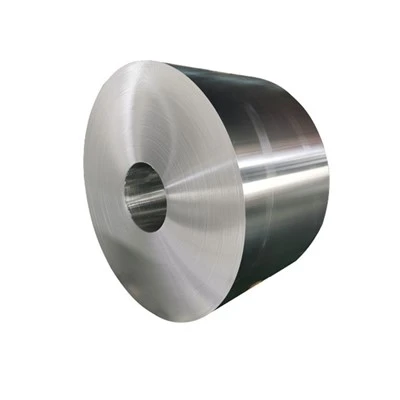
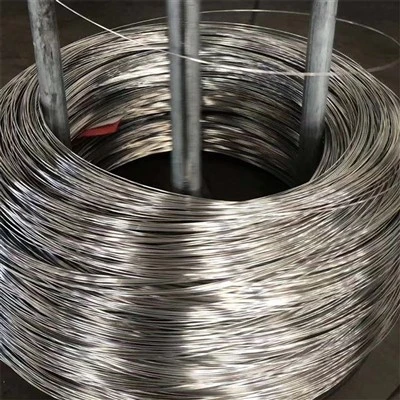
In the realm of high - performance alloys, Inconel coils stand out for their exceptional properties. As an established Inconel coil supplier, I am often asked about the thickness range of these remarkable products. In this blog, I will explore the typical thickness ranges of Inconel coils, the factors influencing these ranges, and the applications where different thicknesses are most suitable.
Understanding Inconel Coils
Inconel is a family of nickel - chromium - based superalloys known for their outstanding corrosion resistance, high - temperature strength, and excellent oxidation resistance. These properties make Inconel coils highly sought after in various industries, including aerospace, chemical processing, power generation, and marine engineering.
Typical Thickness Ranges of Inconel Coils
The thickness of Inconel coils can vary significantly depending on the specific grade of Inconel and the intended application. Generally, the thickness of Inconel coils can range from as thin as 0.1mm to as thick as 10mm or more.
-
Thin - gauge Inconel coils (0.1mm - 1mm)
- Thin - gauge Inconel coils are commonly used in applications where flexibility and lightweight construction are required. For example, in the aerospace industry, thin - gauge Inconel 718 Coil can be used for fabricating components such as aircraft engine seals, heat shields, and tubing. The thinness of these coils allows for easy forming and bending, while still maintaining the high - strength and corrosion - resistant properties of Inconel.
- In the electronics industry, thin - gauge Inconel coils are used for manufacturing electronic components that need to withstand high temperatures and corrosive environments. For instance, they can be used as thin - film resistors or in the construction of hard - disk drive components.
-
Medium - gauge Inconel coils (1mm - 5mm)
- Medium - gauge Inconel coils are widely used in a variety of industrial applications. In the chemical processing industry, Inconel 601 Coil with a medium thickness can be used for constructing reaction vessels, heat exchangers, and piping systems. The medium thickness provides sufficient strength to withstand the high pressures and corrosive chemicals involved in chemical processes.
- In the power generation industry, medium - gauge Inconel coils are used for boiler tubes and steam turbine components. These components need to withstand high temperatures and high - pressure steam environments, and the mechanical properties of medium - gauge Inconel coils make them well - suited for these applications.
-
Thick - gauge Inconel coils (5mm - 10mm or more)


- Thick - gauge Inconel coils are typically used in heavy - duty applications that require high levels of strength and durability. In the marine engineering industry, Inconel 690 Coil with a thick gauge can be used for building offshore platforms, ship propellers, and other marine components. The thick - gauge coil can resist the harsh marine environment, including saltwater corrosion and high - stress loading.
- In the nuclear power industry, thick - gauge Inconel coils are used for fabricating reactor components, such as steam generators and pressure vessels. These components need to be able to withstand extreme temperatures, high radiation levels, and high pressures, and the thick - gauge Inconel provides the necessary integrity and safety.
Factors Influencing the Thickness Range
Several factors influence the thickness range of Inconel coils.
-
Manufacturing Process
The manufacturing process plays a crucial role in determining the achievable thickness of Inconel coils. Cold - rolling processes are commonly used to produce thin - gauge Inconel coils. During cold - rolling, the Inconel alloy is passed through a series of rollers at room temperature, which gradually reduces the thickness of the sheet or coil. However, as the thickness is reduced, the material becomes harder and more difficult to work with, which limits the minimum thickness that can be achieved through cold - rolling.
Hot - rolling, on the other hand, is used to produce thicker Inconel coils. In hot - rolling, the alloy is heated to a high temperature and then passed through rollers. Hot - rolling can achieve relatively thick coils, but it also has limitations in terms of the maximum precision and surface finish that can be obtained. -
Grade of Inconel
Different grades of Inconel have different mechanical properties, which can affect the achievable thickness range. For example, Inconel 783 Coil is a precipitation - hardened alloy that offers high strength at elevated temperatures. Due to its high - strength nature, it may be more difficult to produce extremely thin coils compared to some other grades. In contrast, Inconel 617, which has good ductility and formability, may be more suitable for producing thinner coils. -
Application Requirements
The specific requirements of the application also determine the appropriate thickness of the Inconel coil. If the application requires high flexibility, a thin - gauge coil will be preferred. If the application involves high - pressure or high - load conditions, a thick - gauge coil will be necessary to ensure the structural integrity of the component.
Applications and Thickness Selection
The choice of Inconel coil thickness is closely related to the application.
-
Aerospace Applications
In aerospace, the need for lightweight components with high strength drives the selection of thin - to medium - gauge Inconel coils. For example, in aircraft engine components, the use of thin - gauge Inconel 718 Coil can reduce the overall weight of the engine, improving fuel efficiency. At the same time, the high - temperature strength and corrosion resistance of Inconel 718 ensure the long - term reliability of the engine components. -
Chemical Processing Applications
In chemical processing plants, where components are exposed to corrosive chemicals and high pressures, medium - to thick - gauge Inconel coils are commonly used. For instance, Inconel 601 Coil in medium thickness can be fabricated into reaction vessels that can safely contain and process various chemicals without being corroded. -
Power Generation Applications
In power generation, both medium - and thick - gauge Inconel coils are used. Medium - gauge coils are used for heat exchangers and steam lines, while thick - gauge coils are used for critical components such as reactor pressure vessels in nuclear power plants. Inconel 690 Coil, with its excellent corrosion resistance and high - temperature stability, is a popular choice for these applications.
Conclusion
In summary, the thickness range of Inconel coils can span from 0.1mm to 10mm or more, with each thickness range serving specific applications. As an Inconel coil supplier, I understand the diverse needs of my customers and can provide high - quality Inconel coils with the appropriate thickness for their projects. Whether you need thin - gauge coils for aerospace applications or thick - gauge coils for heavy - duty industrial use, we have the expertise and resources to meet your requirements.
If you are in need of Inconel coils for your project, I encourage you to engage in a procurement discussion. Our team of experts can assist you in selecting the most suitable Inconel grade and thickness for your specific application, ensuring the success and longevity of your project.
References
- "Nickel and Nickel Alloys: ASM Specialty Handbook", ASM International, 1994.
- "High - Temperature Alloys for Gas Turbines and Other Applications", Vol. 1 - 4, Sevenoaks, Kent, UK: MEP Limited, 1986 - 1994.
- "The Inconel Alloys: A Technical Guide", Special Metals Corporation, 2002.